
Brandon's Semiconductor Simulator
Brandon's Semiconductor Simulator is out now on PC, released on July 11, 2026.
About Brandon's Semiconductor Simulator
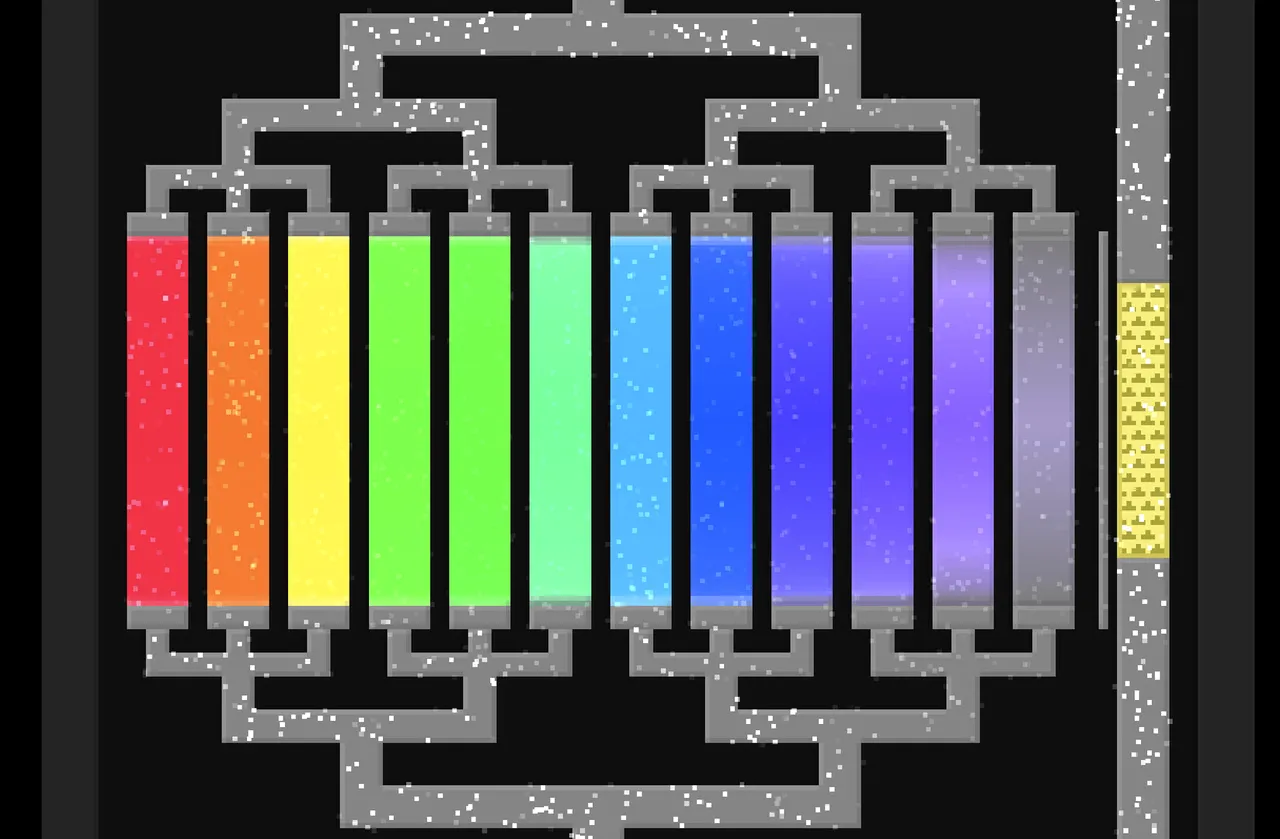
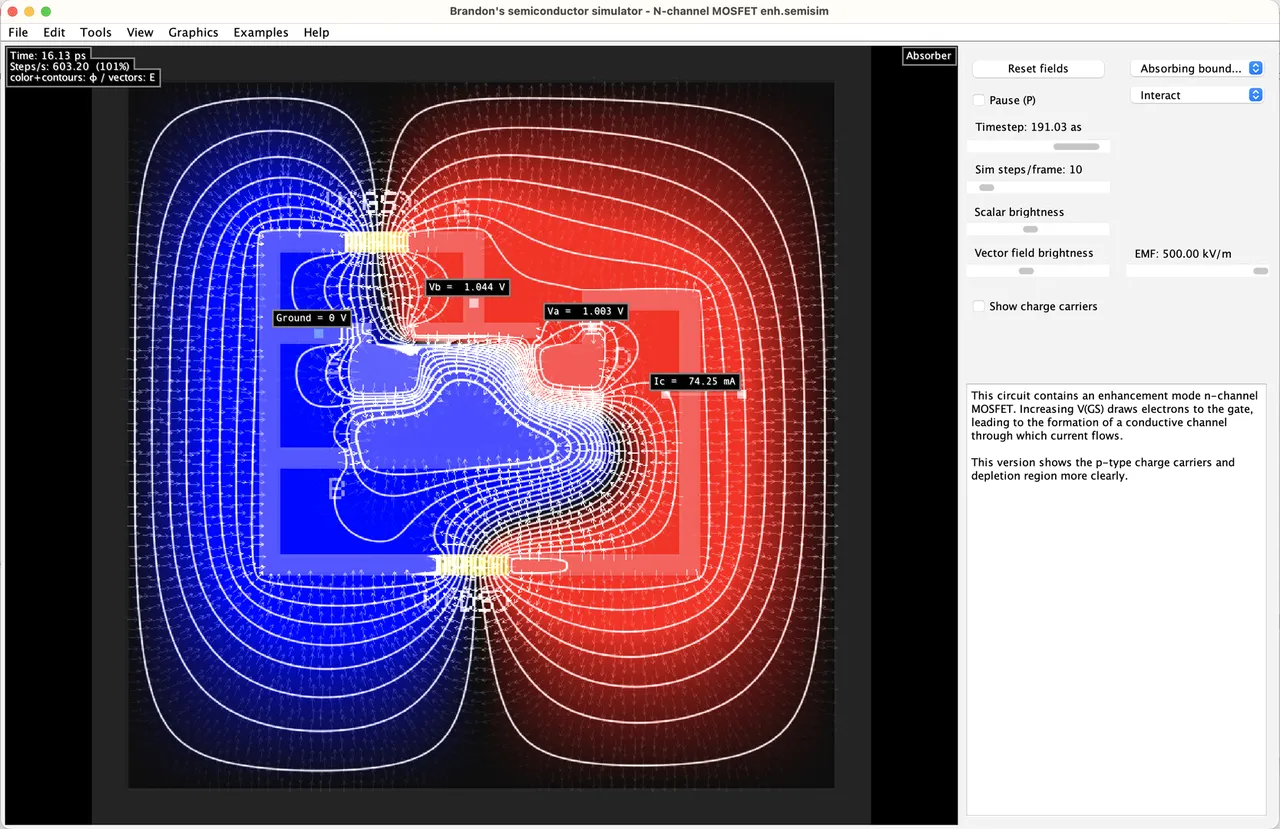
Brandon's Semiconductor Simulator positions itself as a technical bridge between elementary science toys and high-end industrial engineering software. The Brandon's Semiconductor Simulator release date is set for July 11, 2026, on PC, offering a specialized sandbox for those who find standard physics simulations too restrictive for advanced semiconductor theory. Rather than providing a rigid set of pre-built scenarios, developer Brandon Li and publisher Stunning Llama Productions focus on a brush-based interface that lets you freehand draw circuits and watch the behavior of charge carriers in real-time.
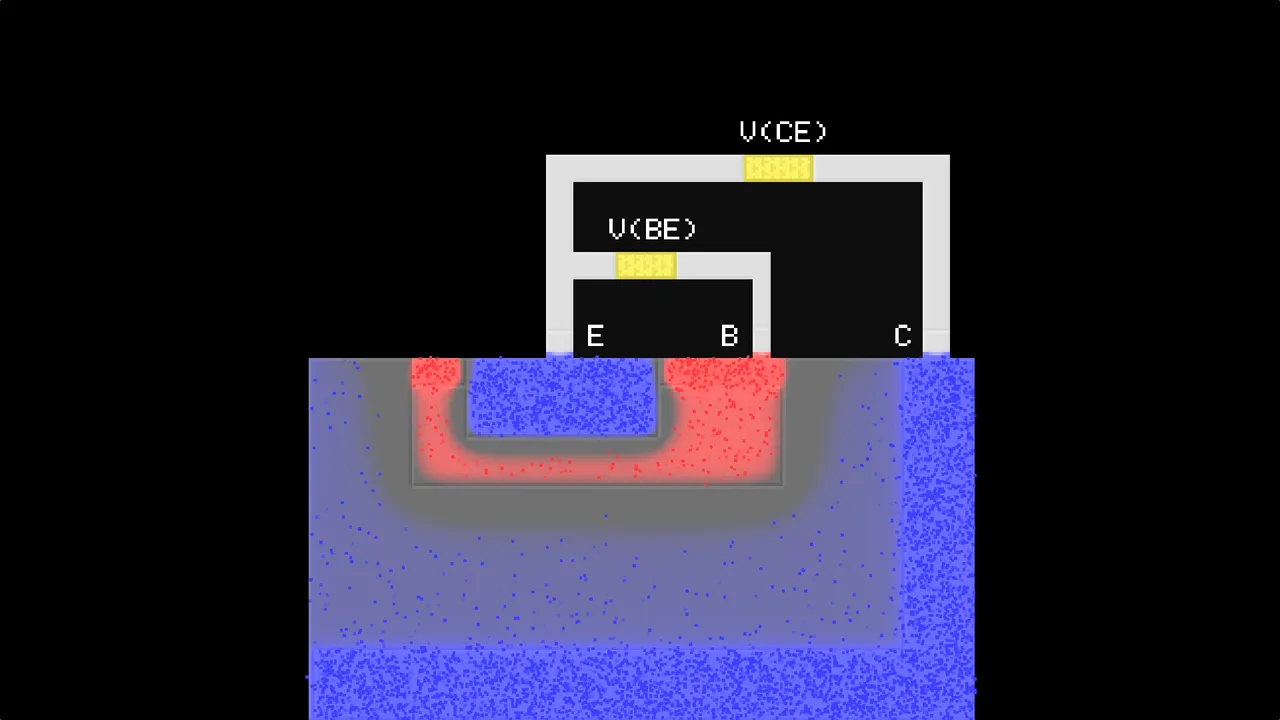
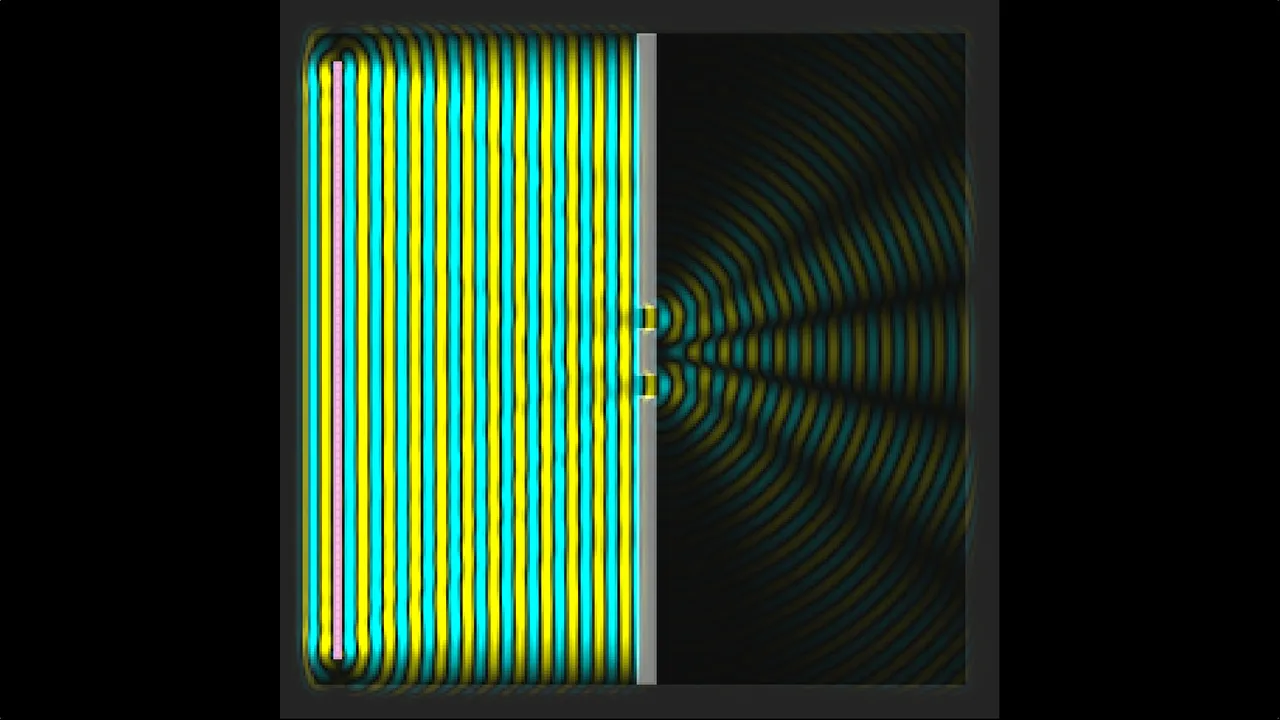
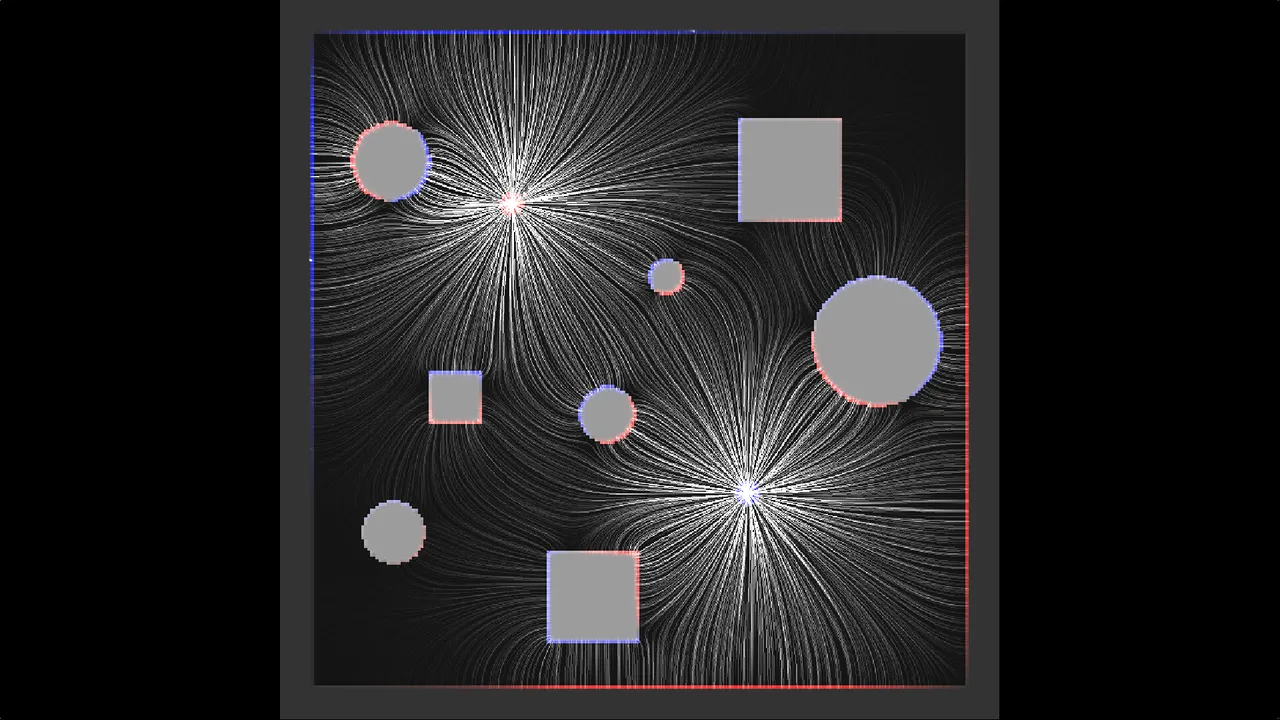
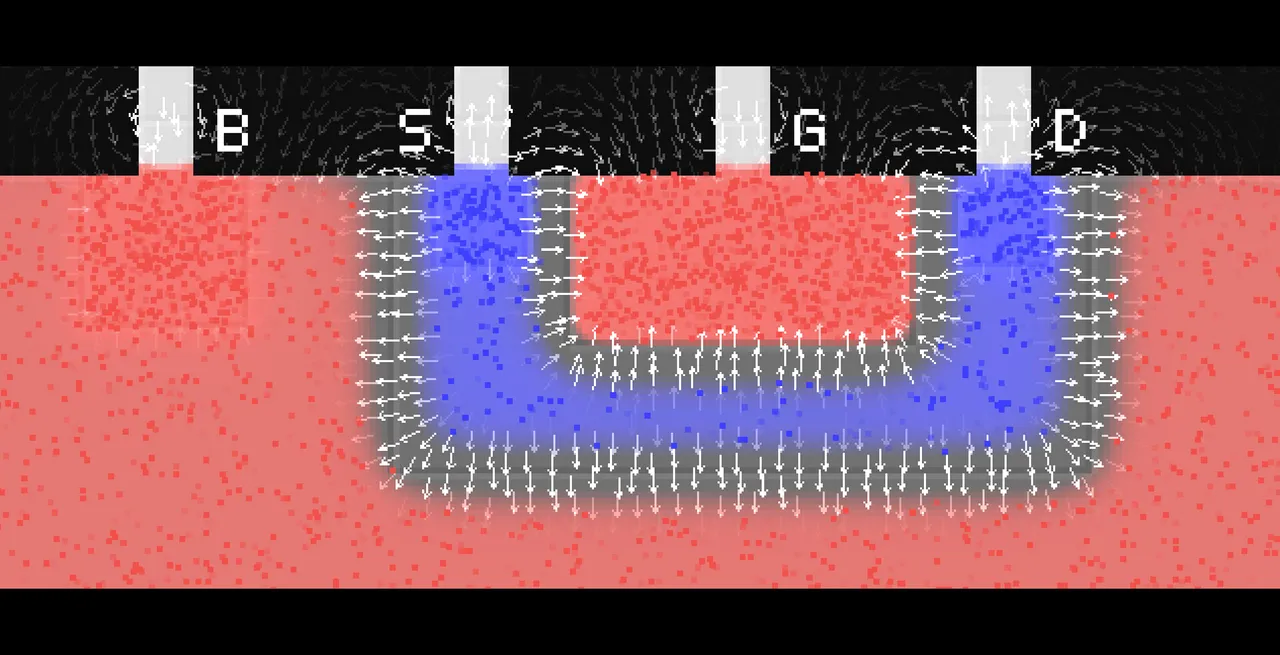
The core loop revolves around the interaction between Maxwell’s equations and drift-diffusion models. By simulating electrons and holes on a 2D grid, the software visualizes the invisible chemical and electrical forces that drive PN junctions, MOSFETs, and BJTs. This is a high-fidelity approach where the magnetic and electric fields aren't just static overlays but active participants in the simulation. With the addition of velocity saturation and various recombination types, the system handles the messy realities of physics that simpler educational tools often omit to keep their math clean.
July 11, 2026 Release Date for PC
For students, hobbyist engineers, or curious minds, the software's value lies in its transparency. You can see how heterojunctions or contact potentials actually form based on the material properties you define. While the interface is designed for ease of use, the underlying solver is built for depth, making it an ideal companion for a solid-state physics curriculum. The inclusion of Steam Workshop support suggests a long-term community aspect where users can share complex custom-built devices and material configurations.
You should wishlist this if you have ever felt limited by abstract circuit diagrams and want to see the literal movement of charge within a transistor. It is a niche, purpose-built tool that prioritizes scientific accuracy over gamified progression. If you are looking for a casual puzzle game, this may be too dense, but for those wanting to understand the microscopic foundations of modern computing, it is a rare and focused resource.
Features
System requirements
Minimum
- Processor
- 64 bit CPU
- Memory
- 500 MB RAM
- Storage
- 400 MB available space
Recommended
- Processor
- Intel Core i5-12600
- Memory
- 1 GB RAM
Frequently asked questions
When did Brandon's Semiconductor Simulator come out?
Brandon's Semiconductor Simulator released on July 11, 2026 for PC.
Is Brandon's Semiconductor Simulator out yet?
Yes. Brandon's Semiconductor Simulator is available now, having released on July 11, 2026.
What platforms is Brandon's Semiconductor Simulator on?
Brandon's Semiconductor Simulator is available on PC.






No comments yet. Be the first to share your thoughts.