

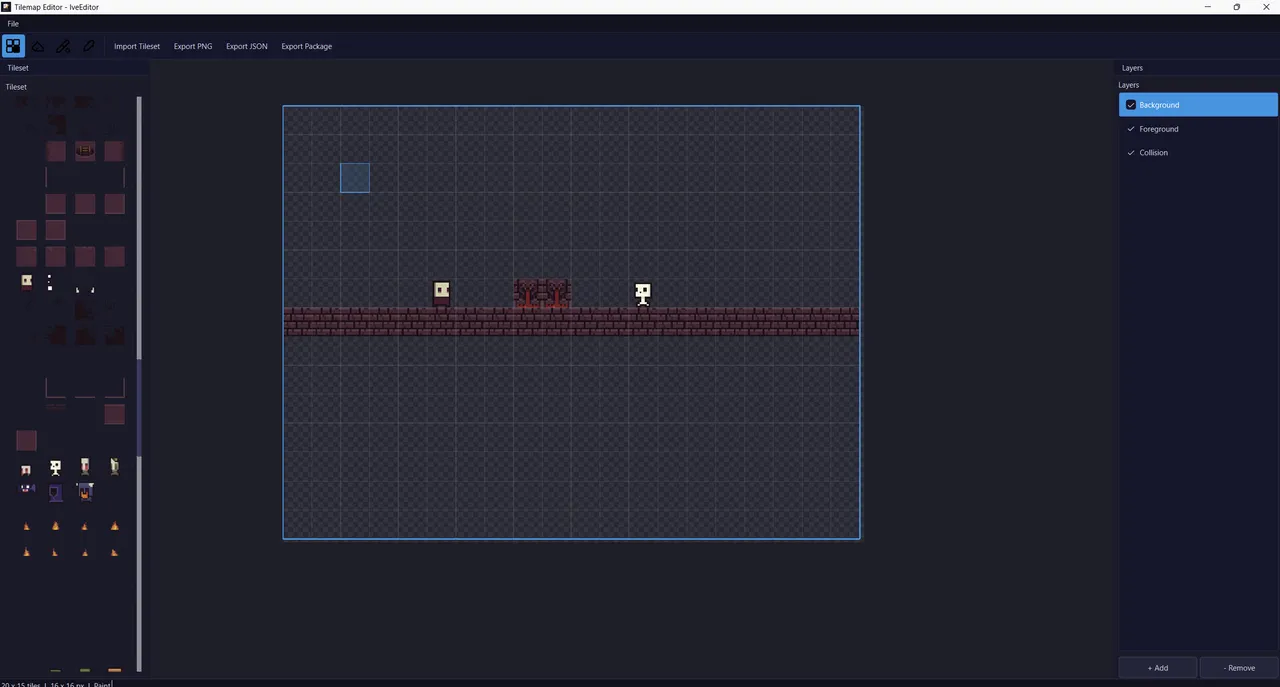
IveEditor
IveEditor is out now on PC, released on July 10, 2026.
About IveEditor
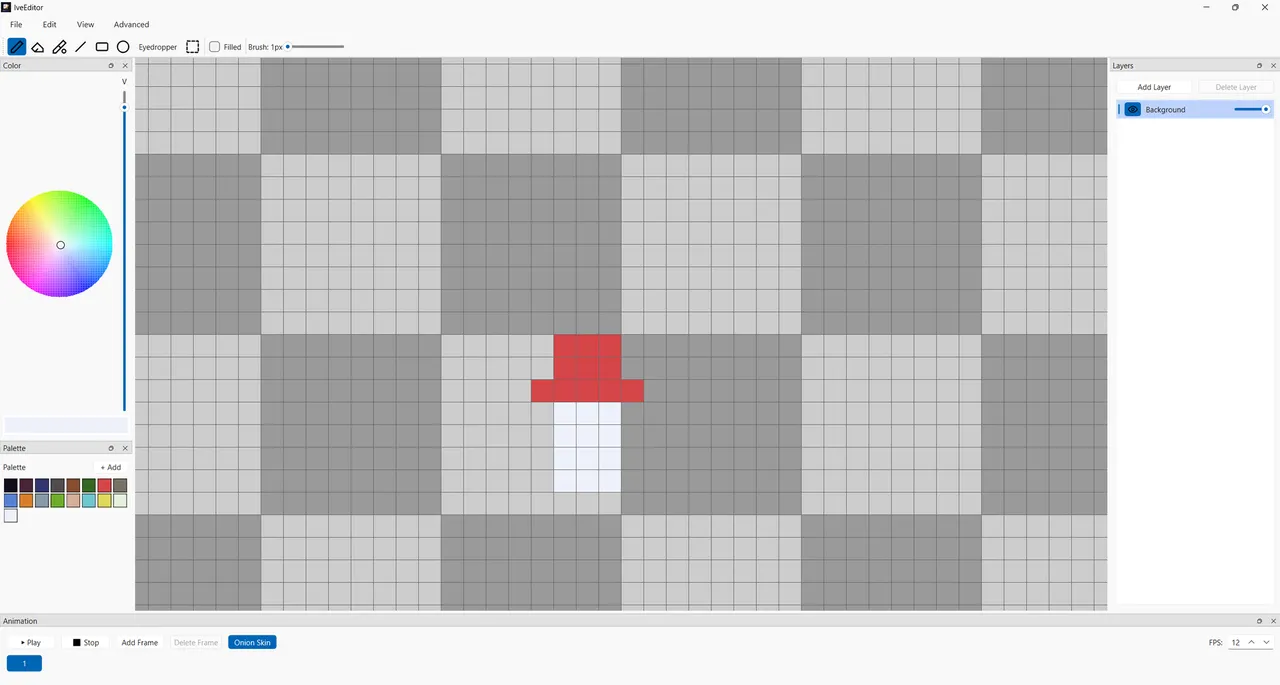
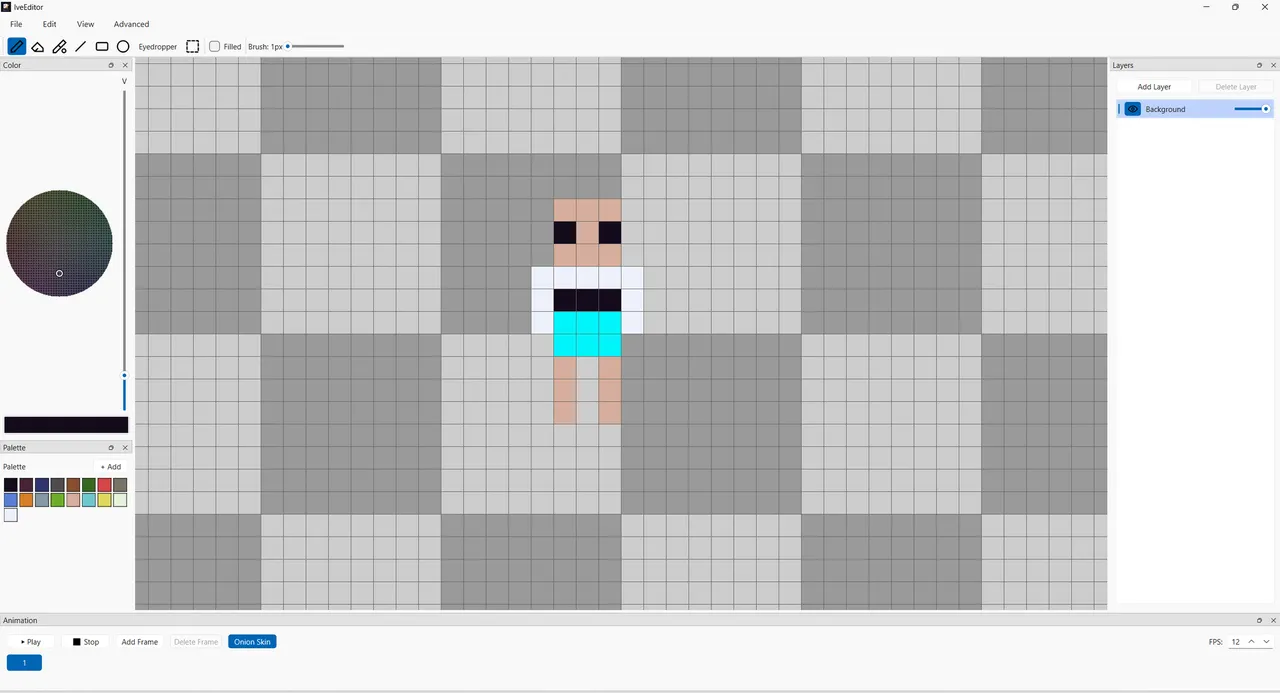
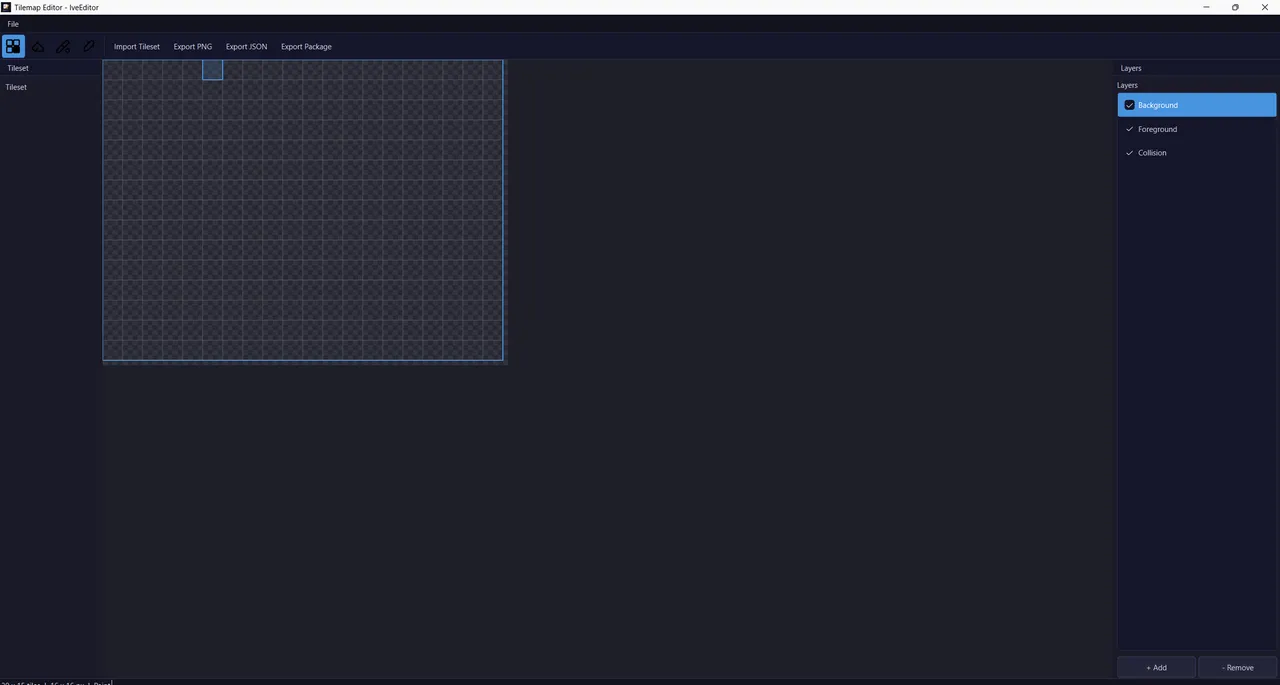
IveEditor positions itself as a streamlined, efficiency-first creative suite specifically tailored for the indie developer workflow. The release date for IveEditor is July 10, 2026, when it will launch on PC via Steam. While the market for pixel art software is competitive, developer SuplixSoftware is targeting a specific middle ground: a tool more advanced than a basic paint program but less bloated than high-end digital illustration suites. By bundling a sprite animator and a tilemap editor into one package, it aims to eliminate the friction of switching between different applications during level design.
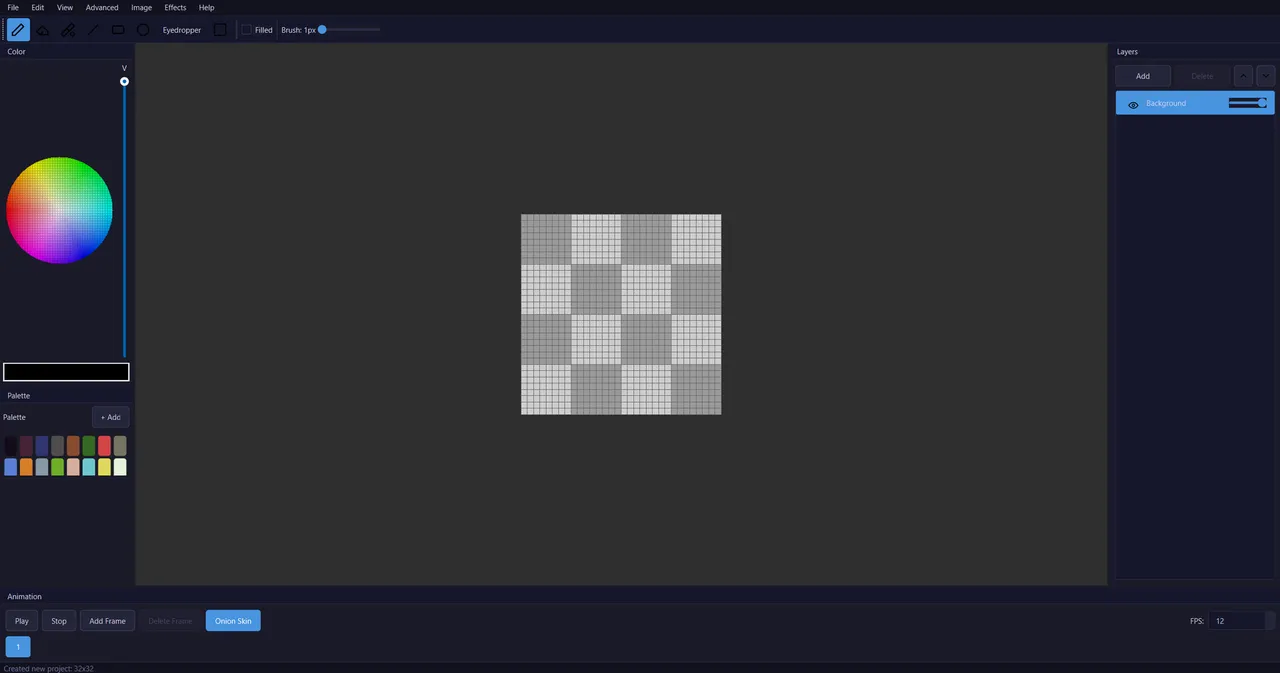
The utility of the software hinges on its dedicated retro game toolset. Unlike general-purpose editors, it includes pre-configured palettes for legacy hardware like the Commodore 64 and Game Boy, alongside a sprite sheet slicer that handles the tedious work of preparing assets for engine import. The inclusion of onion skinning for frame-by-frame animation suggests a focus on fluid character movement, while the native tilemap functionality implies that users can prototype entire environments without leaving the app.
IveEditor PC Release Date and Workflow Features
For a tool like this, the tactile feel of the interface is more important than a long list of features. IveEditor relies on standard keyboard shortcuts and a floating layer system to mirror the professional standards found in more expensive alternatives. The ability to export directly to GIF or PNG while maintaining a native project format for non-destructive editing is a standard but necessary inclusion for anyone serious about asset management. Whether the software can maintain a snappy, lag-free experience when handling large, multi-layered tilemaps is the critical question for power users.
The choice to include shape tools and selection modifiers alongside a dedicated animation timeline makes this an attractive option for developers who want to maintain a consistent aesthetic across their entire project. It serves as a specialized workbench where the technical constraints of pixel art—limited colors and grid-based layouts—are treated as features rather than hurdles. Artists looking for a lean, focused environment for their next 2D project should wishlist this ahead of the July release. If you already have a deeply customized workflow in a high-end editor, this might be a secondary tool for quick edits; for everyone else, it looks like a high-value entry point into game art creation.
Features
System requirements
Minimum
- OS
- Windows 10
- Processor
- Dual Core 2.0 GHz
- Memory
- 2 GB RAM
- Graphics
- Any with OpenGL support
- Storage
- 200 MB available space
- Sound Card
- Any
Recommended
- OS
- Windows 10/11
- Processor
- Quad-core 2.5 GHz
- Memory
- 4 GB RAM
- Graphics
- Intel 4000 HD
- Storage
- 500 MB available space
- Sound Card
- Any
Frequently asked questions
When did IveEditor come out?
IveEditor released on July 10, 2026 for PC.
Is IveEditor out yet?
Yes. IveEditor is available now, having released on July 10, 2026.
What platforms is IveEditor on?
IveEditor is available on PC.



No comments yet. Be the first to share your thoughts.