
About Last Lumen Knight
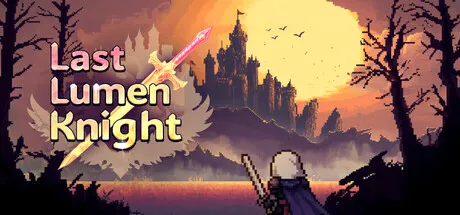
Last Lumen Knight stakes its entire design on a single risk: that randomizing your damage output in real-time can create tension instead of frustration. On July 13, 2026, Lumen Studio will release this 2D action-platformer roguelike on PC, and everything from combat to progression hinges on whether that gamble pays off.
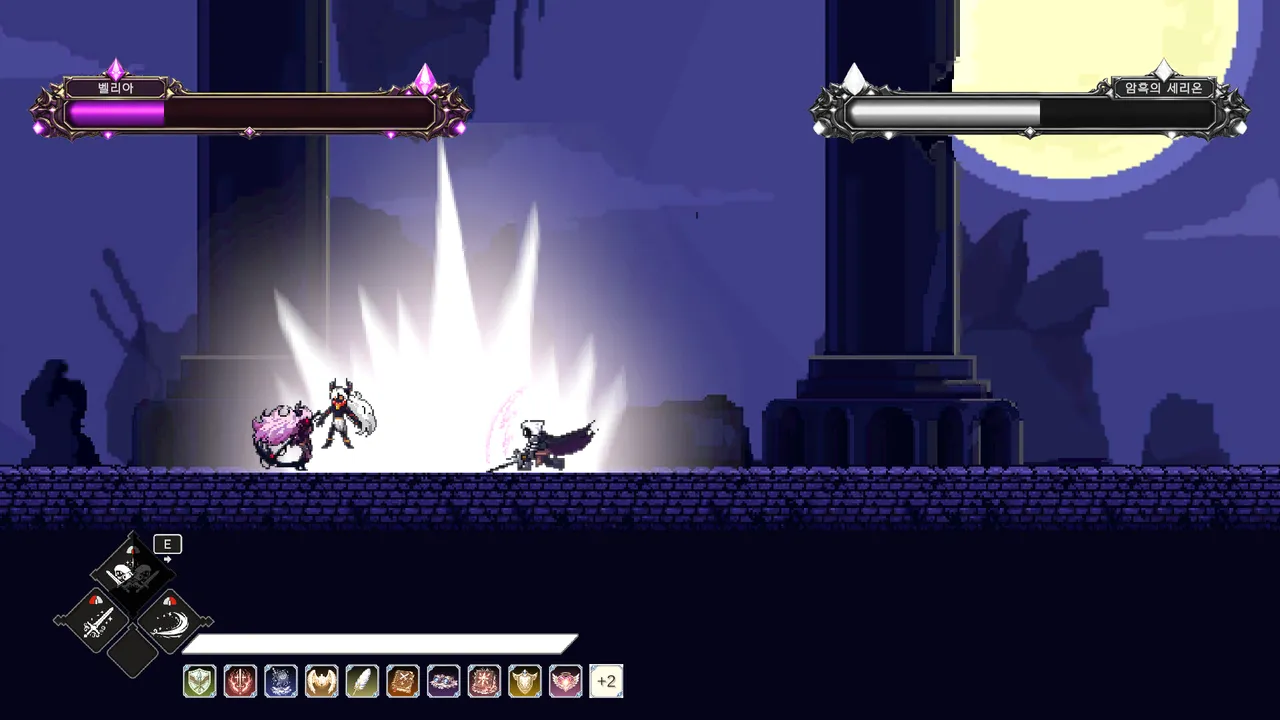
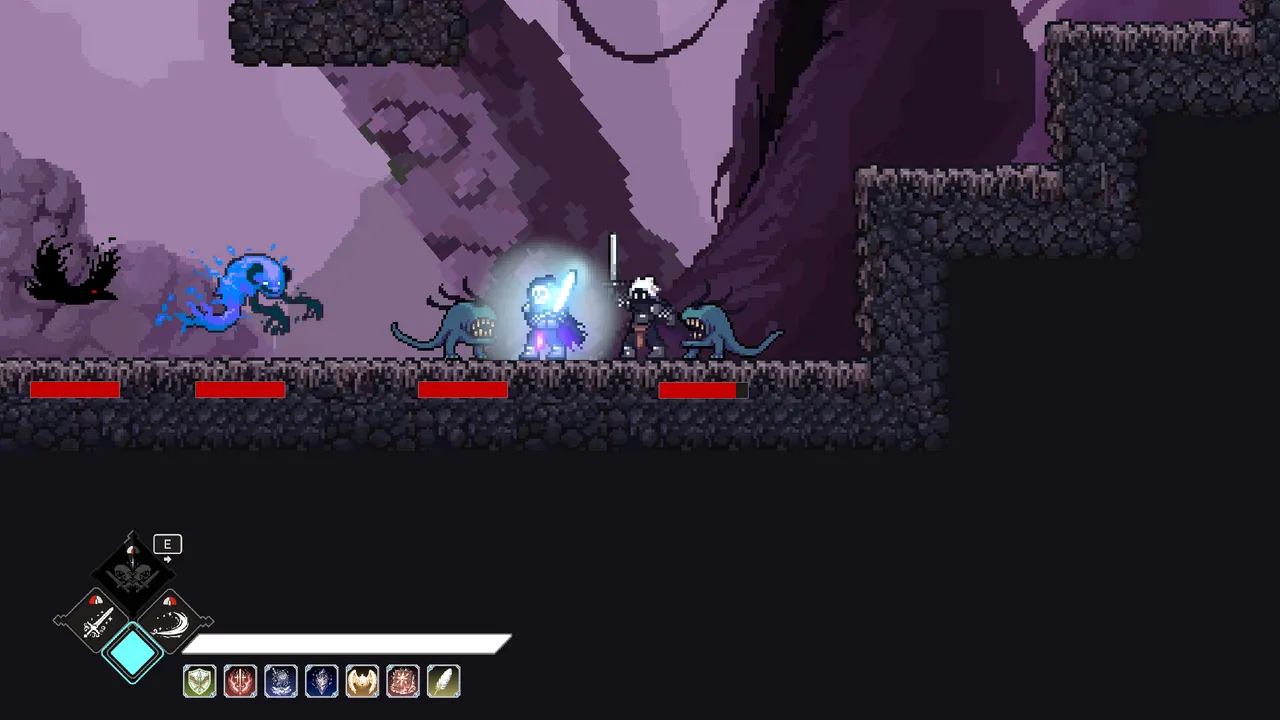
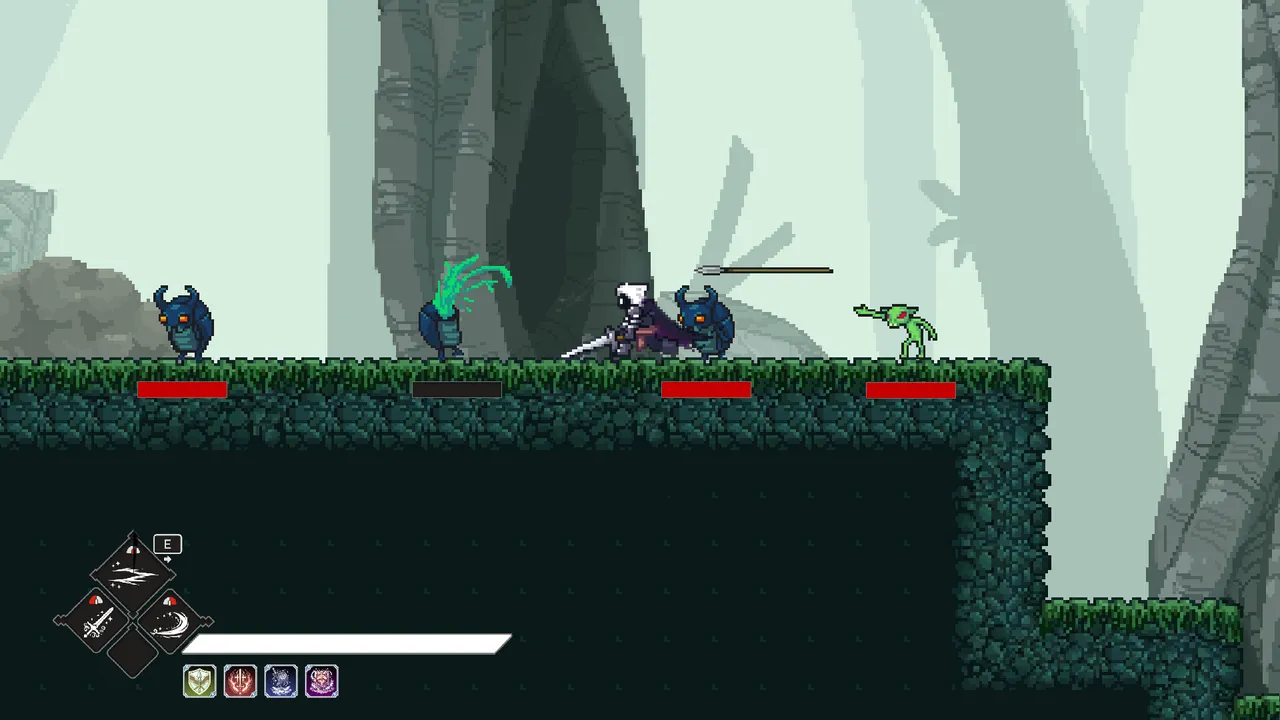
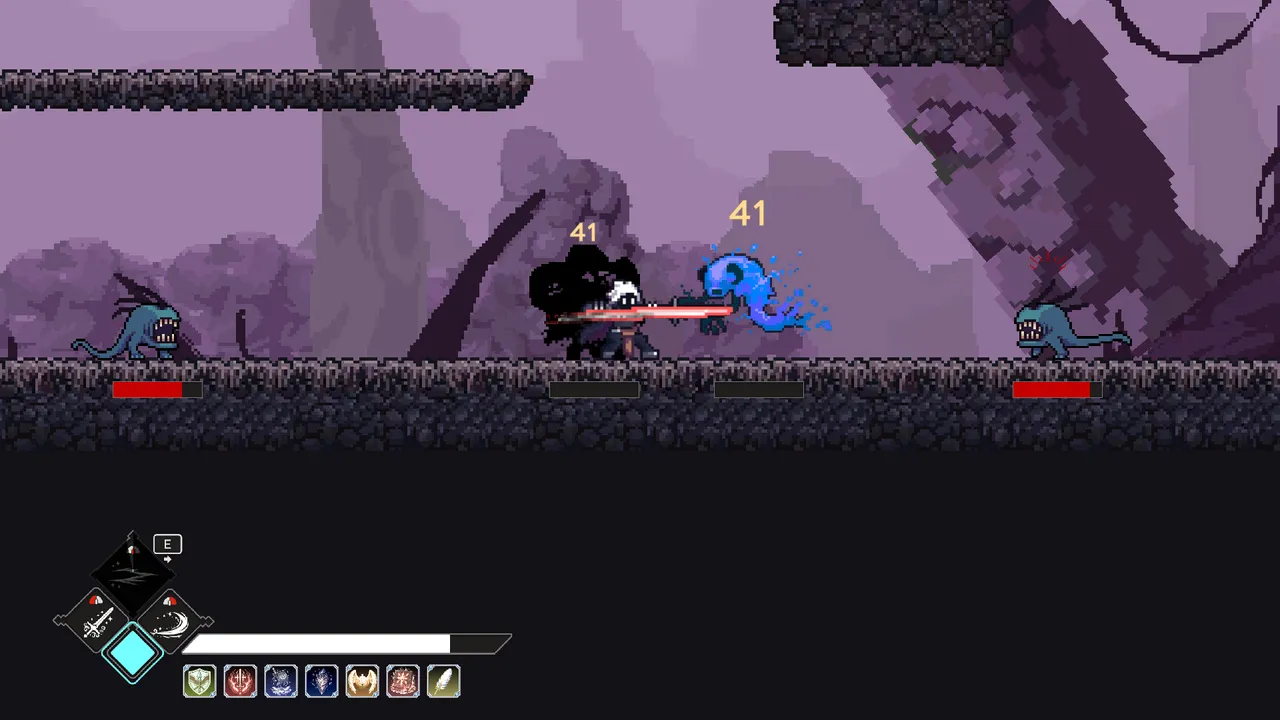
The core loop splits your hands between two input devices. Your keyboard handles movement and navigation through procedurally shifting stages, while your mouse controls all combat: basic attacks, ranged strikes, three distinct skills, and crucially, the Damage Roulette, a mechanic that forces you to scroll your mouse wheel before unleashing a skill to determine whether your damage lands at a 0% penalty or climbs as high as a +100% boost. This is not a visual flourish or a reward for timing—it is the mechanical foundation the entire game is built on. Every skill becomes a gamble, every boss fight a negotiation with probability.
Combat Built on Calculated Risk
The design asks a sharp question of itself: can a roguelike where your damage output is partially determined by chance feel rewarding rather than arbitrary? The answer depends entirely on whether the roulette outcome feels like a skill expression within the probability space (reading the momentum, committing to a range you sense is good) or like coin-flip punishment. The reference describes it as risk-free, suggesting the studio intends the roulette to feel like a tool you manipulate, not a slot machine that spins you. If that works, a +80% damage spike on your strongest skill becomes a genuine tactical choice: do you trust the roulette now or save the skill for when you have more breathing room?
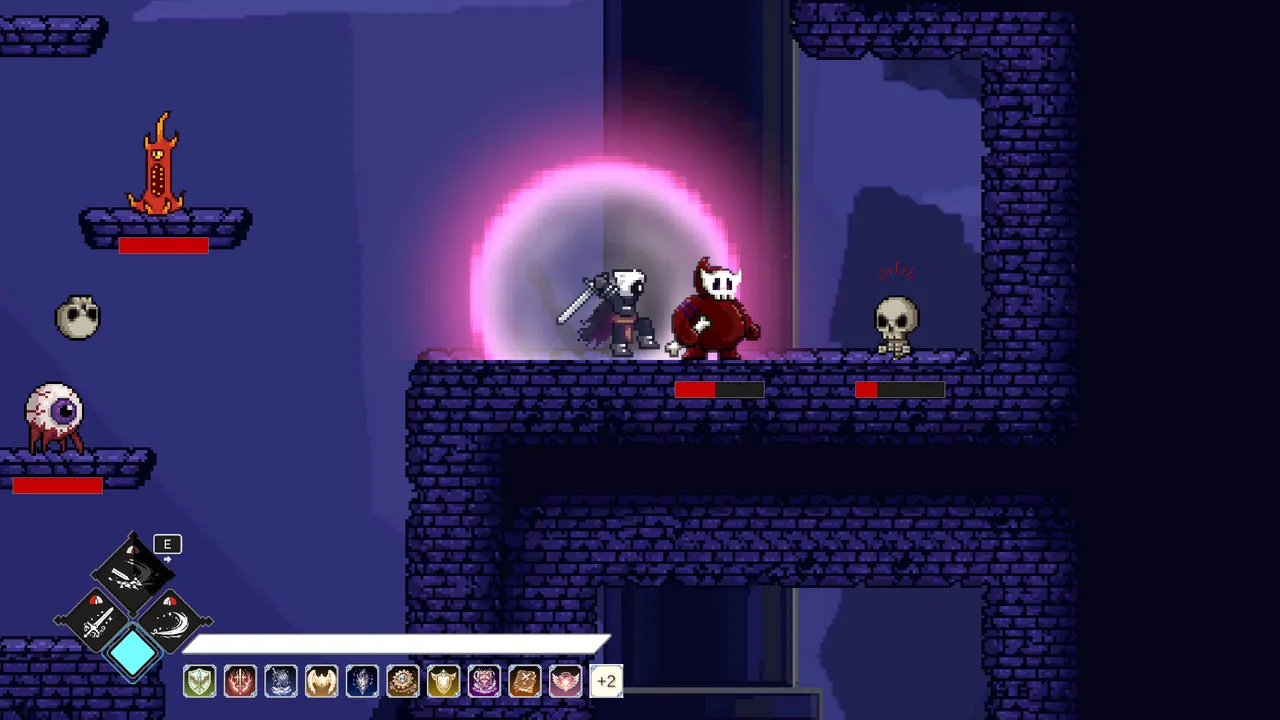
Your build and scaling come from Relics collected during exploration, each one triggering a Coin Flip when acquired—heads empowers the effect or stacks bonus stats, tails presumably gives a weaker outcome. This stacks another probability layer onto the run. Over the course of a roguelike campaign, two layers of randomization (roulette per skill use, coin flip per relic) could either create strategic depth as you learn which relics pair well under uncertainty, or devolve into a run where bad flips and bad roulette spins make you feel powerless. The reference hints at synergies between relics and the ultimate ability, suggesting the studio has thought about how these probabilities interact, but that question—whether mastery can rise above luck—remains the hinge the whole experience swings on.
Platforming precision and mouse-driven combat in a 2D space is an unusual pairing. Keyboard movement for platforming is standard; mouse-only combat demands a specific muscle memory and keeps your hands in different spaces, which could create friction or elegance depending on execution. The reference implies seamlessness, but a player comfortable with gamepad control across both movement and combat might find the split layout unnatural.
Roguelike Structure and Progression
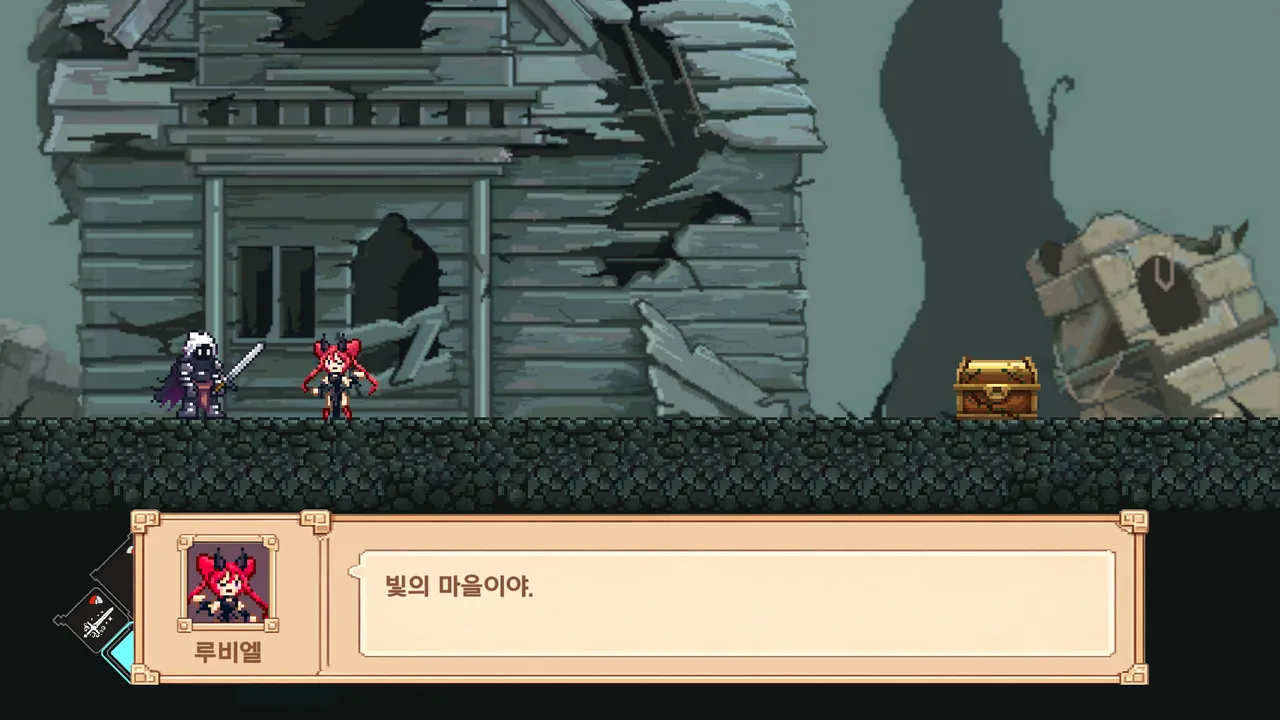
You awaken as the last knight of a fallen order and face recurring runs through stages toward a confrontation with the Darkness Guardians, the multi-boss encounters that cap each stage and escalate in complexity as you progress. The world is corrupted, the story promises an ultimate truth to uncover, and the roguelike structure—random stage layouts, permadeath forcing repeated runs, relic-based builds that shift each time—is the scaffolding that lets you discover it piece by piece. Whether the narrative lands or merely scaffolds the gameplay is unknown; indie roguelikes often trade story depth for mechanical novelty, and the reference gives no sense of writing quality or character voice.
For a roguelike launching on PC in mid-July 2026, Last Lumen Knight is unproven in three ways: whether the probability mechanics create mastery and tension rather than frustration, whether the split input method (keyboard movement, mouse combat) feels natural or cumbersome in practice, and whether the escalating boss gauntlet sustains difficulty without becoming a wall. The release date is firm, the concept is bold, and the execution is the only variable left.
Pick this up at launch if you have bounced off traditional roguelikes and want a genuinely different core loop, or if you love the idea of combat that rewards both positioning and probability management. Skip it if randomness in your moment-to-moment damage output sounds more aggravating than interesting, or if you need a gamepad to feel at home in action games. Wait for reviews if the concept appeals but you want to know whether the roulette mechanic feels like skill expression or luck before you commit.
Features
System requirements
Minimum
- OS
- Window 10 (64-bit)
- Processor
- Intel Core i3 / Amd Ryzen 3
- Memory
- 4 GB RAM
- Graphics
- GTX 750
- DirectX
- Version 11
- Storage
- 1 GB available space
Recommended
- OS
- Window 10 (64-bit)
- Processor
- Intel Core i3 / Amd Ryzen 3
- Memory
- 8 GB RAM
- Graphics
- GTX 1050
- DirectX
- Version 11
- Storage
- 1 GB available space
Frequently asked questions
When did Last Lumen Knight come out?
Last Lumen Knight released on July 15, 2026 for PC.
Is Last Lumen Knight out yet?
Yes. Last Lumen Knight is available now, having released on July 15, 2026.
What platforms is Last Lumen Knight on?
Last Lumen Knight is available on PC.
Is Last Lumen Knight free to play?
Yes. Last Lumen Knight is free to play on PC.






No comments yet. Be the first to share your thoughts.