

Runix: Pinball Roguelike
Runix: Pinball Roguelike is out now on PC, released on July 13, 2026.
About Runix: Pinball Roguelike
Runix: Pinball Roguelike arrives July 13, 2026 on PC as a fusion of roguelike progression and pinball mechanics that hinges on a single core idea: instead of rolling balls across static tables, you are building a deck of balls with distinct effects, then launching them into arenas populated by enemies and obstacles. The release date marks Meteor Forge's attempt to marry two systems that have no obvious kinship—the combo-driven, ascending-difficulty loops of roguelikes with the physics precision and spatial puzzle-solving of pinball—and whether that synthesis holds together under pressure is the question the game must answer.
Deck-building meets table physics
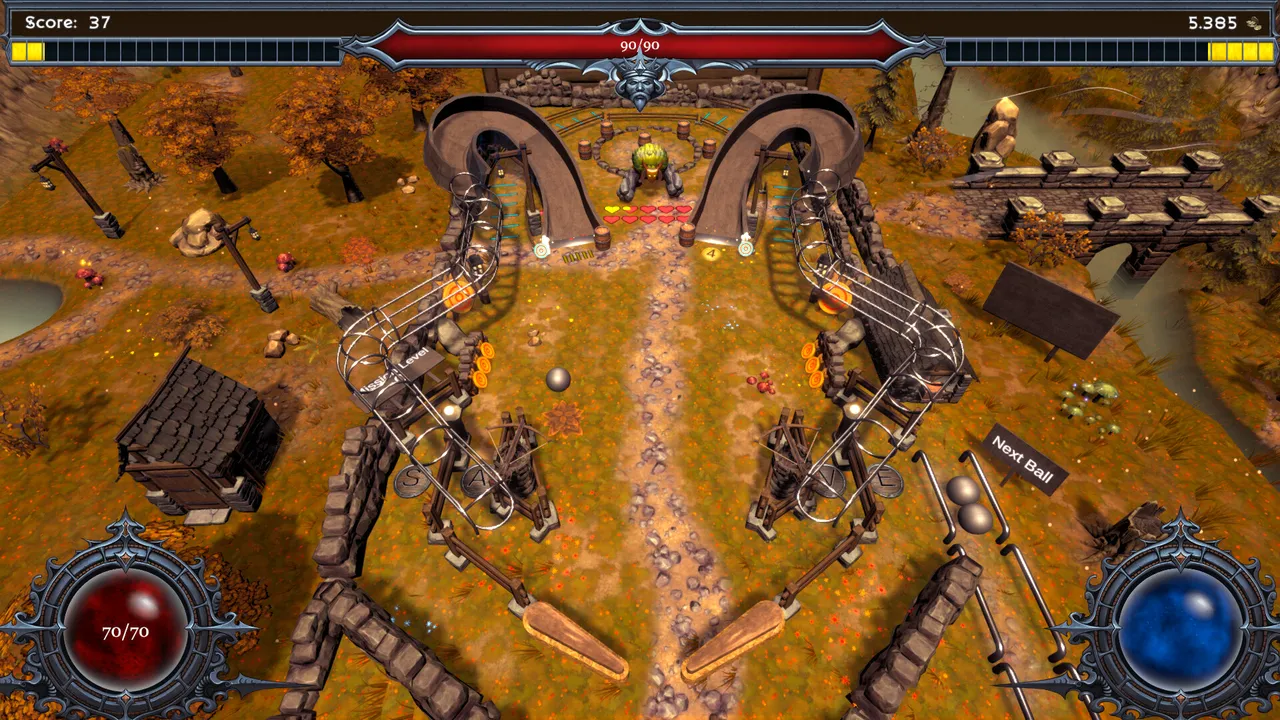
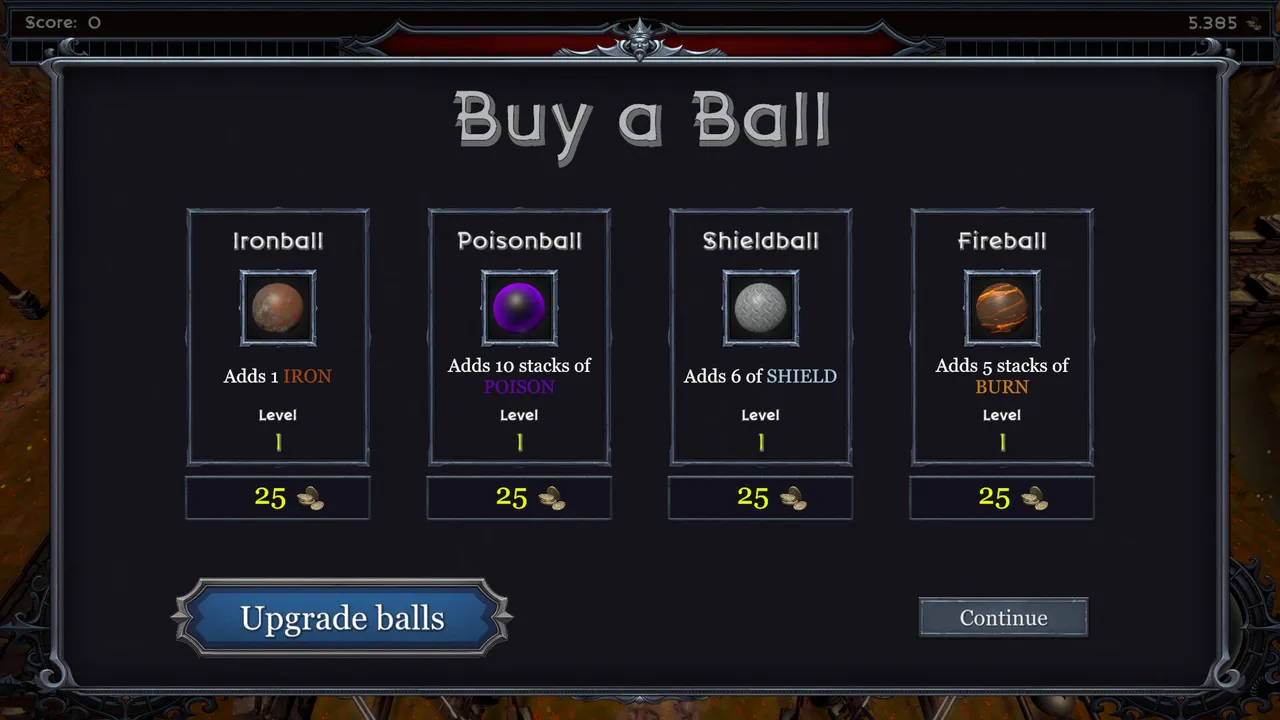
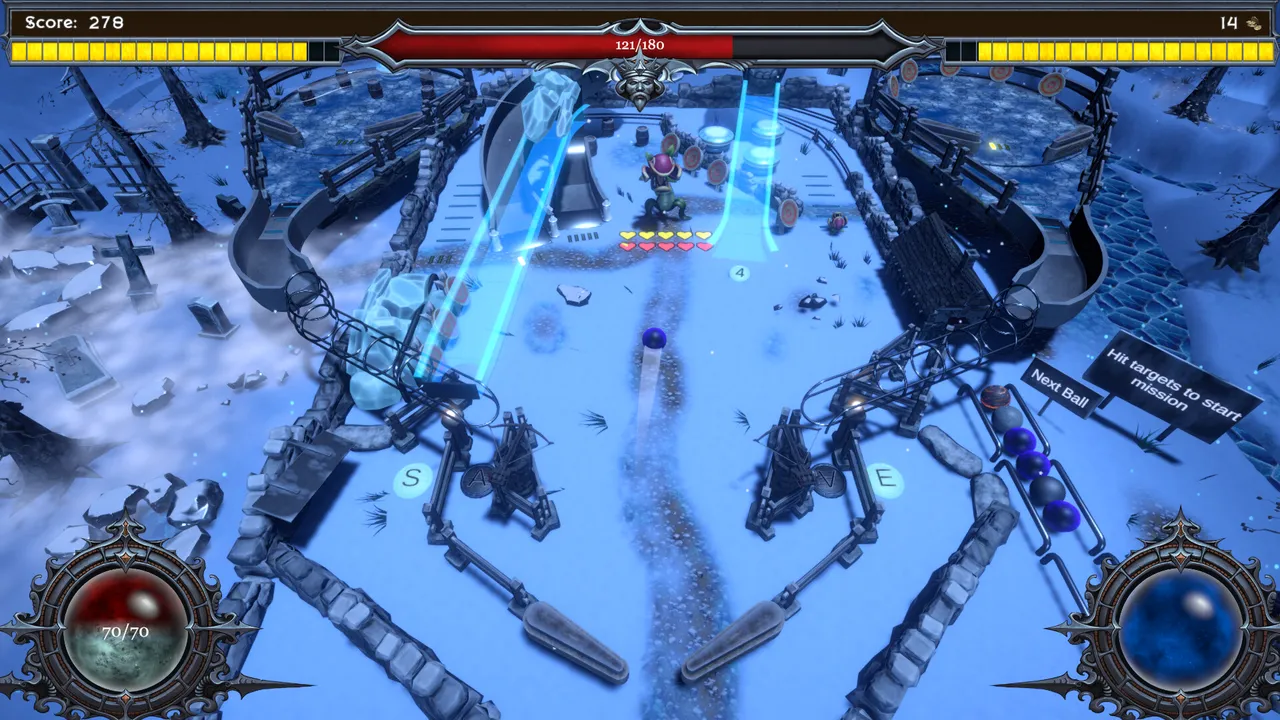
The core loop follows roguelike scaffolding: you select a ball from your deck, aim and fire it into a pinball table arena, watch it ricochet and trigger damage on enemies, then earn gold and artifact rewards that reshape your strategy for the next run. Over successive runs you unlock new balls (the reference lists 50+ variants with different effects) and artifacts (60+ in the pool) that create combinations—a ball that bounces higher paired with an artifact that amplifies bounce damage, for instance. The leaderboard layer adds a competitive frame that rewards mastery of your chosen deck rather than randomness, which is a significant departure from traditional roguelikes where runs feel fully generative; here you are optimising a specific lineup across multiple attempts.
What distinguishes this from standard pinball or roguelike deckbuilders is the demand for real-time spatial control. A mana system lets you redirect the ball mid-flight, resetting its trajectory and changing which enemies or obstacles it hits next. This transforms pinball from a game of initial velocity and table geometry into something closer to tactical resource management—you have limited mana per run, so every redirect is a decision about whether to chase a high-combo path or play conservatively. That friction between planning your deck and improvising in the moment is where the game's identity lives.
Three scenarios and the scaling question
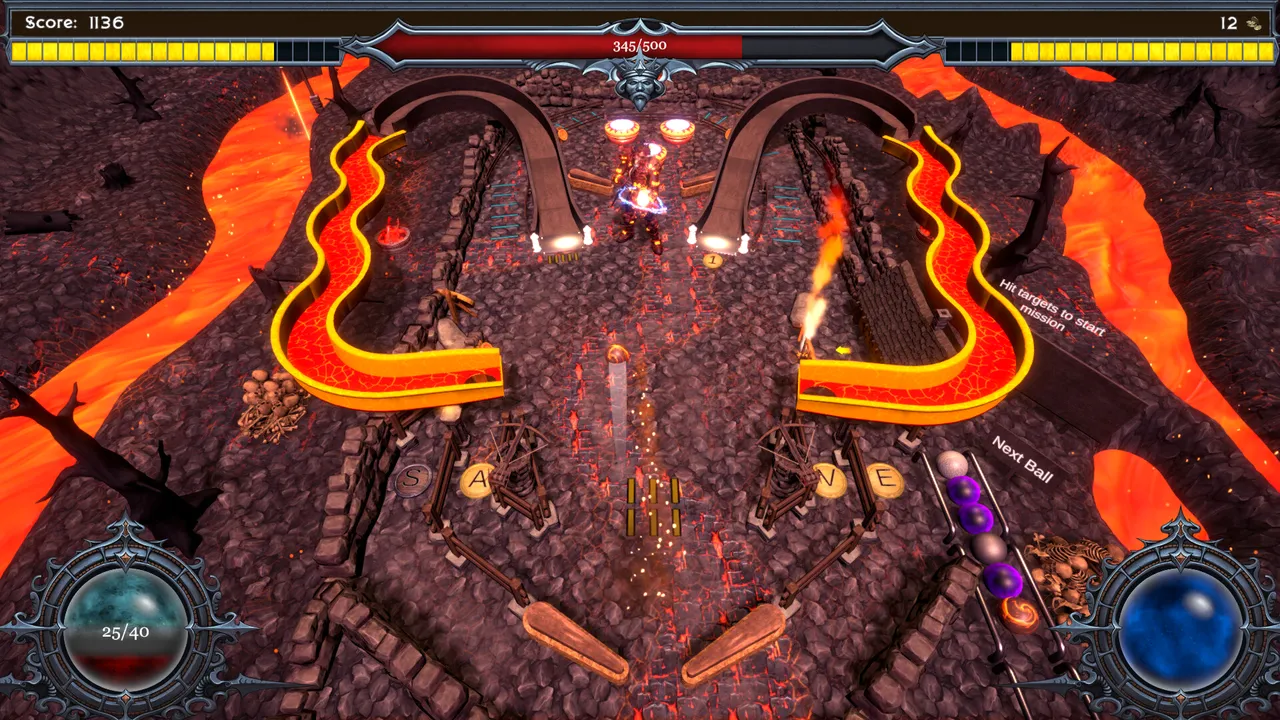
The reference confirms three pinball tables, each with different enemy mechanics and environmental rules. A roguelike typically survives on replayability through procedural variation or difficulty scaling; Runix opts for fixed tables but layers difficulty through ascension levels and an infinity mode that continues indefinitely after you beat the final boss. The design bet here is that mastering three specific arenas across many runs—learning which ball combinations outmanoeuvre which enemy patterns—creates the same depth as procedural generation. That is narrower in scope but higher in focus, and it either feels like strategic depth or like repetition depending on how much each ascension level fundamentally changes the challenge and how generous the artifact pool is in enabling varied playstyles.
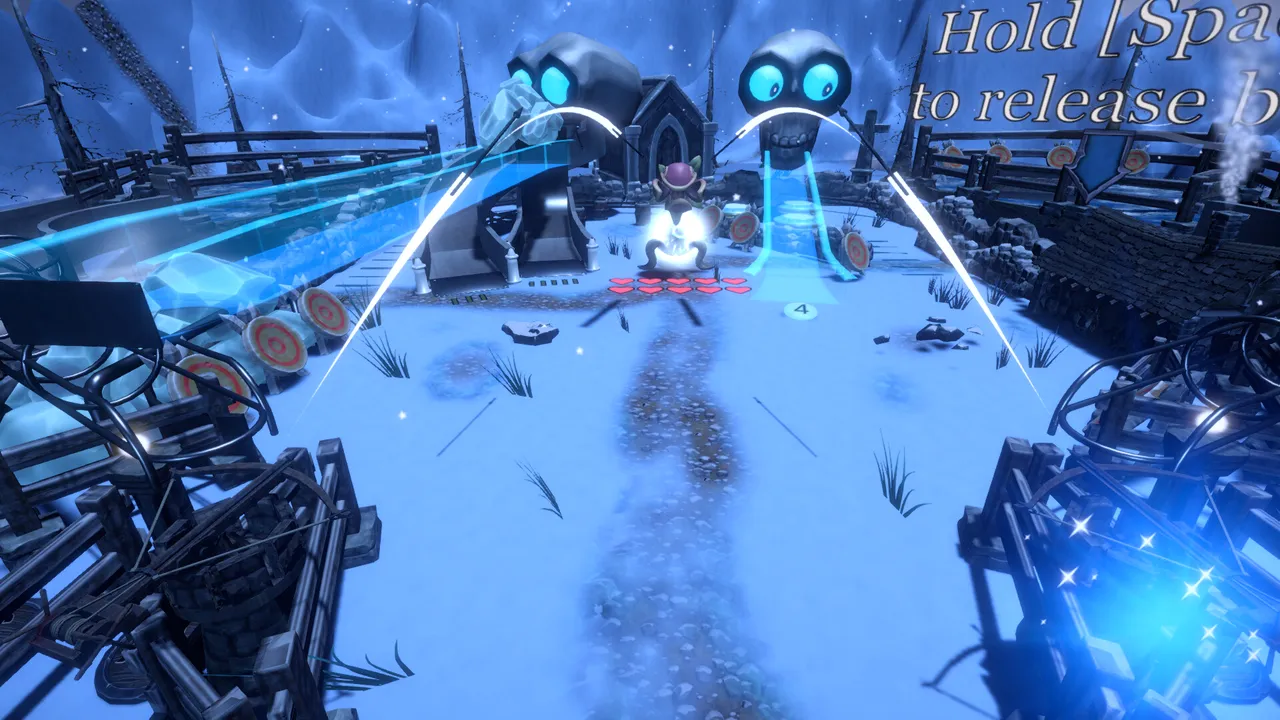
The archer towers mentioned in the reference add a secondary interaction layer: you can activate them in combination with ball trajectories and artifacts to generate combo shots. This suggests the pinball table is not just a physics sandbox but a puzzle where you are reading enemy positions, planning ball paths, and triggering ancillary systems in concert. If that coordination lands it is compelling; if the coordination devolves into a fixed optimal sequence every run, the replayability calculus shifts.
This is a game for players who like the incremental power curve of roguelikes and the precision feedback of pinball, and who are drawn to leaderboard grinding. Skip it if you want procedural novelty in every run, or if you prefer roguelikes where the randomness of what you find drives replayability rather than deliberate deck optimisation. The core mechanic is sound, but whether three tables and a pool of artifacts remain engaging across dozens of runs depends entirely on how much meaningful variation the developer has baked into the ascension system and how the meta-game evolves.
Features
System requirements
Minimum
- OS *
- Windows 7
- Processor
- Intel Core i3
- Memory
- 500 MB RAM
- Graphics
- OpenGL 2.1 compatible graphics card, integrated graphics
- DirectX
- Version 11
- Storage
- 3 GB available space
Recommended
- OS *
- Windows 7
- Processor
- Intel Core i3
- Memory
- 1 GB RAM
- Graphics
- OpenGL 2.1 compatible graphics card, integrated graphics
- DirectX
- Version 11
- Storage
- 3 GB available space
Frequently asked questions
When did Runix: Pinball Roguelike come out?
Runix: Pinball Roguelike released on July 13, 2026 for PC.
Is Runix: Pinball Roguelike out yet?
Yes. Runix: Pinball Roguelike is available now, having released on July 13, 2026.
What platforms is Runix: Pinball Roguelike on?
Runix: Pinball Roguelike is available on PC.






No comments yet. Be the first to share your thoughts.