


SILK 2.0
SILK 2.0 is out now on PC, released on July 10, 2026.
About SILK 2.0
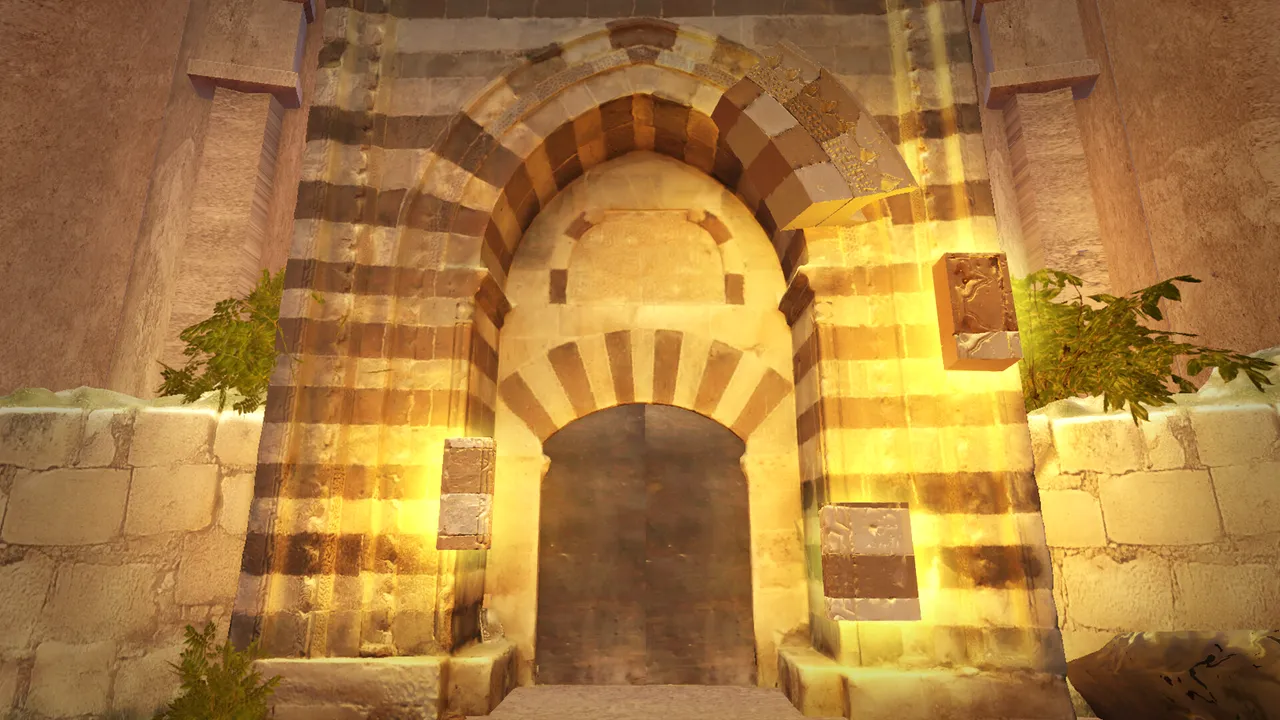
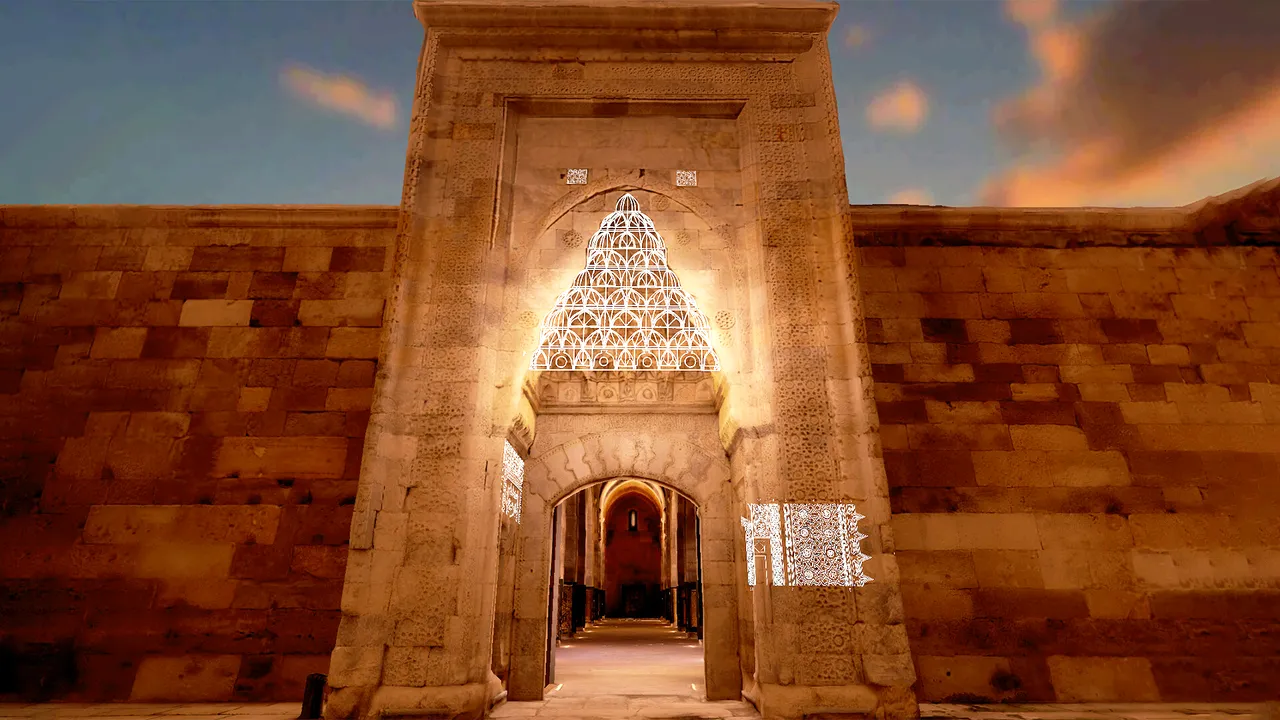
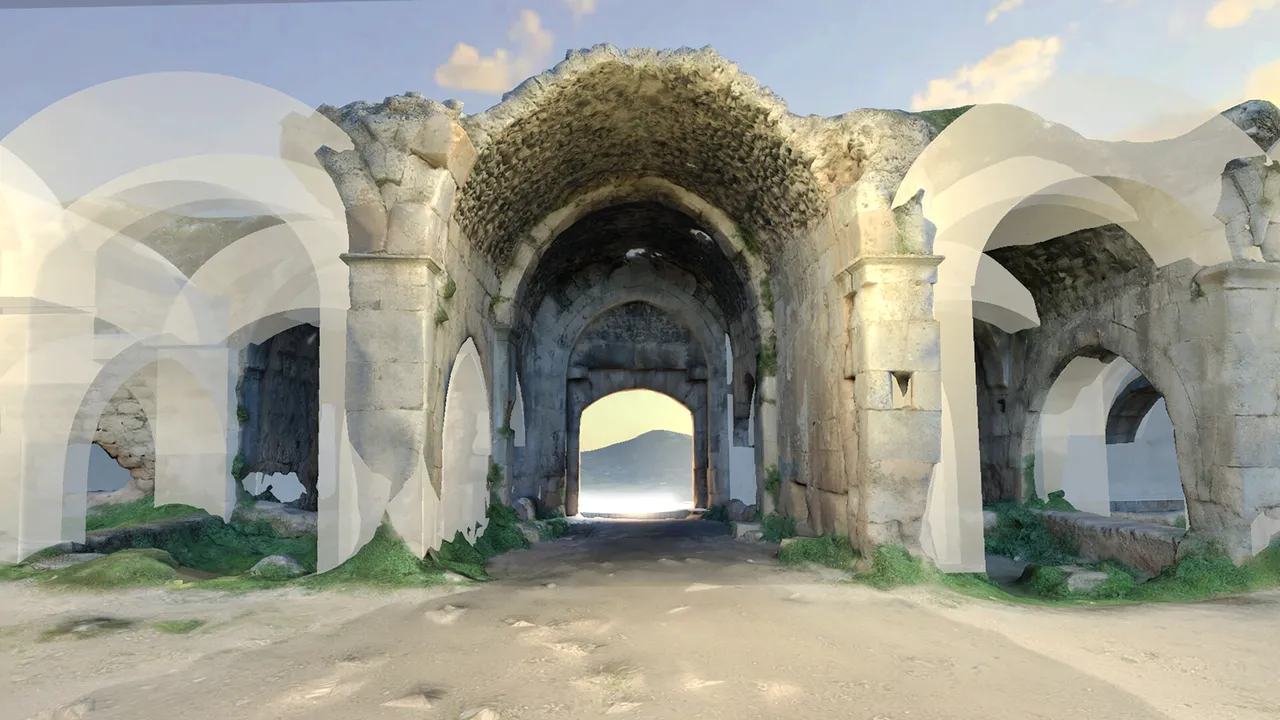
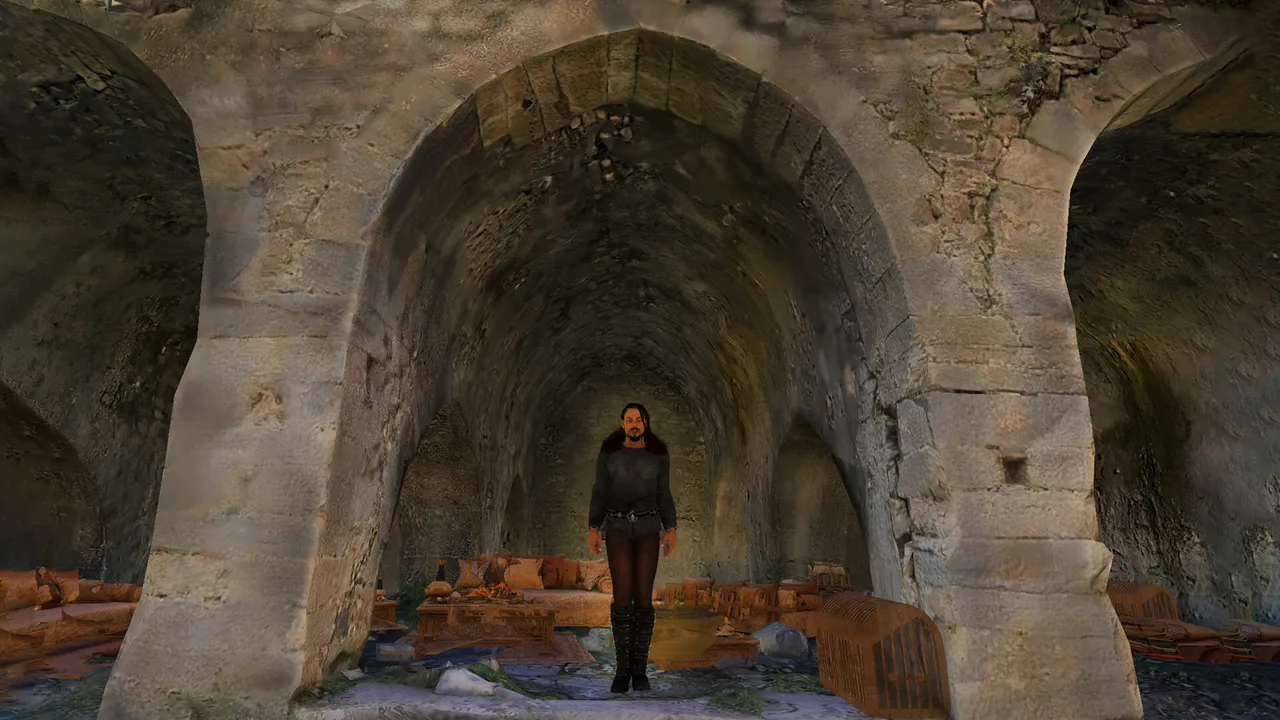
SILK 2.0 is less a traditional entertainment product and more a high-fidelity digital preservation effort, moving the historical simulation genre into the territory of active research. Developed by the SILK Project / University of Liverpool, the SILK 2.0 release date is scheduled for July 10, 2026, on PC. While many games use historical settings as mere backdrops for combat, this project focuses on the architectural and social reality of the medieval Silk Roads, specifically the caravanserais of Anatolia. These stone waystations served as the essential infrastructure of global trade, and their reconstruction here is based on literal field surveys and photogrammetry rather than artistic license.
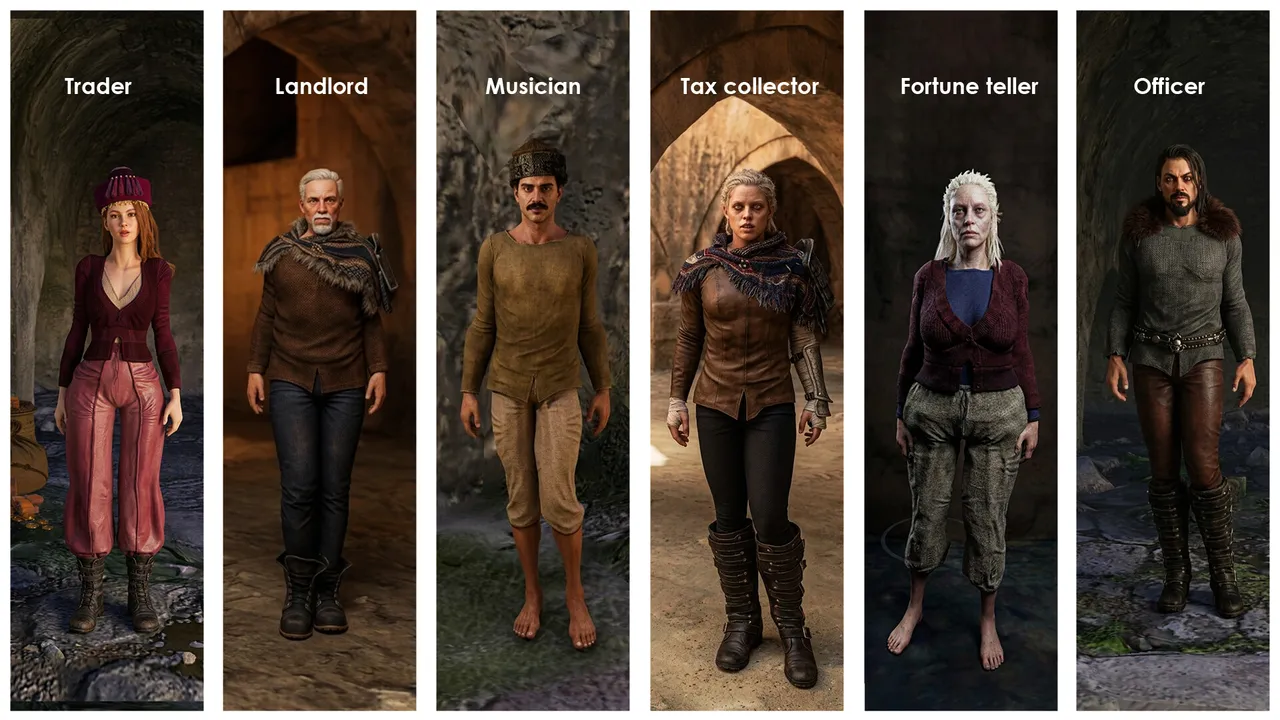
The core experience centers on a central hub designed after a traditional Turkish bathhouse, acting as a gateway to six specific historical sites: Evdir Han, Eynif Han, Sultan Han, Zazadin Han, Kargı Han, and İncir Han. The primary gameplay loop replaces typical questing with open-ended exploration and dialogue. By integrating AI-driven characters, the developers attempt to bridge the gap between a cold museum exhibit and a living space, allowing players to engage in natural conversations about the architecture and daily life of the Seljuk period. This is a significant design risk; the success of the experience hinges entirely on whether these AI entities provide genuine insight or merely act as repetitive encyclopedias.
The SILK 2.0 Release Date and Academic Context
With its July 10, 2026, launch, SILK 2.0 offers both standard desktop play and VR support, which is critical for a project emphasizing human-scale architecture. The shift from fragments to fully vaulted corridors and courtyards allows for a spatial understanding that 2D photos cannot provide. This is a niche release aimed squarely at history enthusiasts, architecture students, and those who prefer the slow-paced observation of titles like Discovery Tour by Assassin's Creed, but with a more rigorous academic foundation and less emphasis on gamification. For those looking for an educational expedition rather than a competitive challenge, it is a project worth wishlisting to see how the university team handles the intersection of archaeological data and interactive AI.
Features
System requirements
Minimum
- OS
- Windows 10 or 11 (64-bit)
- Processor
- Intel i5-4590 or AMD Ryzen 5 1500X
- Memory
- 8 GB RAM
- Graphics
- NVIDIA GTX 970 or AMD Radeon RX 400 Series
- VR Support
- Meta Quest 2+
Recommended
- Processor
- Intel i3-14100 or Ryzen 5 4500
- Memory
- 16 GB RAM
- Graphics
- NVIDIA RTX 20 Series or AMD Radeon RX 6000 Series
- VR Support
- Meta Quest 2+
Frequently asked questions
When did SILK 2.0 come out?
SILK 2.0 released on July 10, 2026 for PC.
Is SILK 2.0 out yet?
Yes. SILK 2.0 is available now, having released on July 10, 2026.
What platforms is SILK 2.0 on?
SILK 2.0 is available on PC.
Is SILK 2.0 free to play?
Yes. SILK 2.0 is free to play on PC.






No comments yet. Be the first to share your thoughts.