
Stackflow
Stackflow is out now on PC, released on July 13, 2026.
About Stackflow
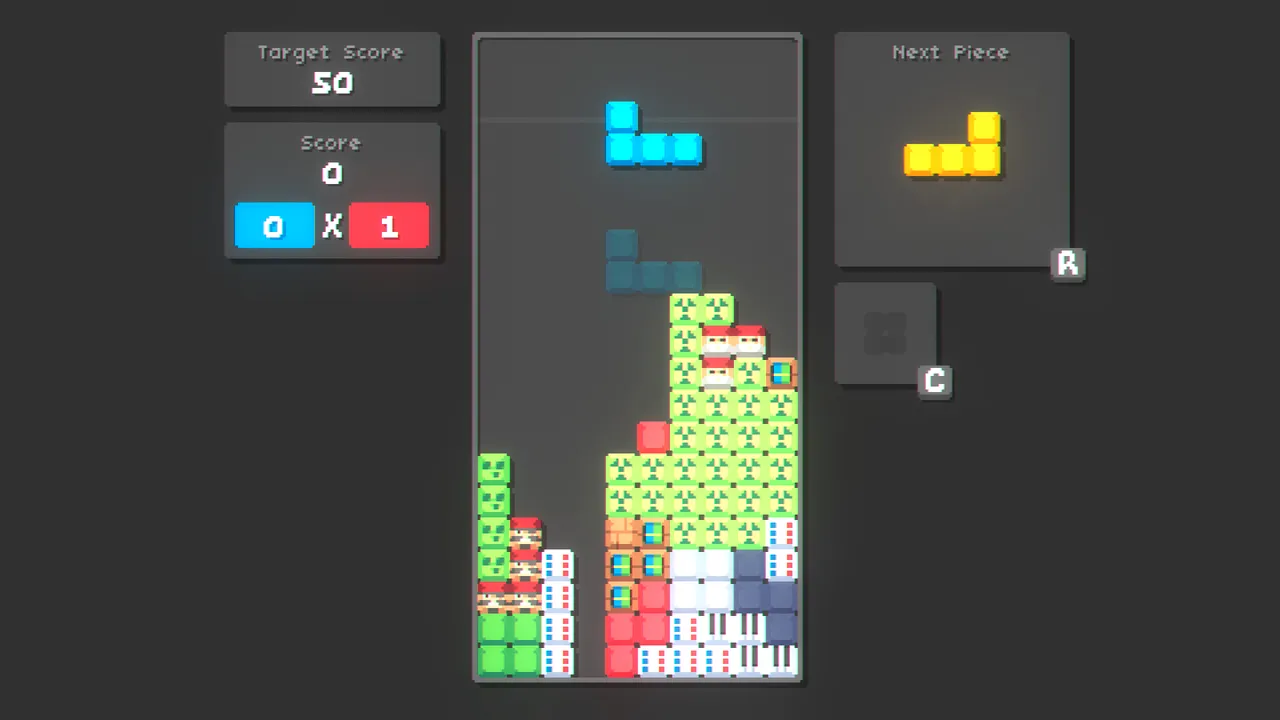
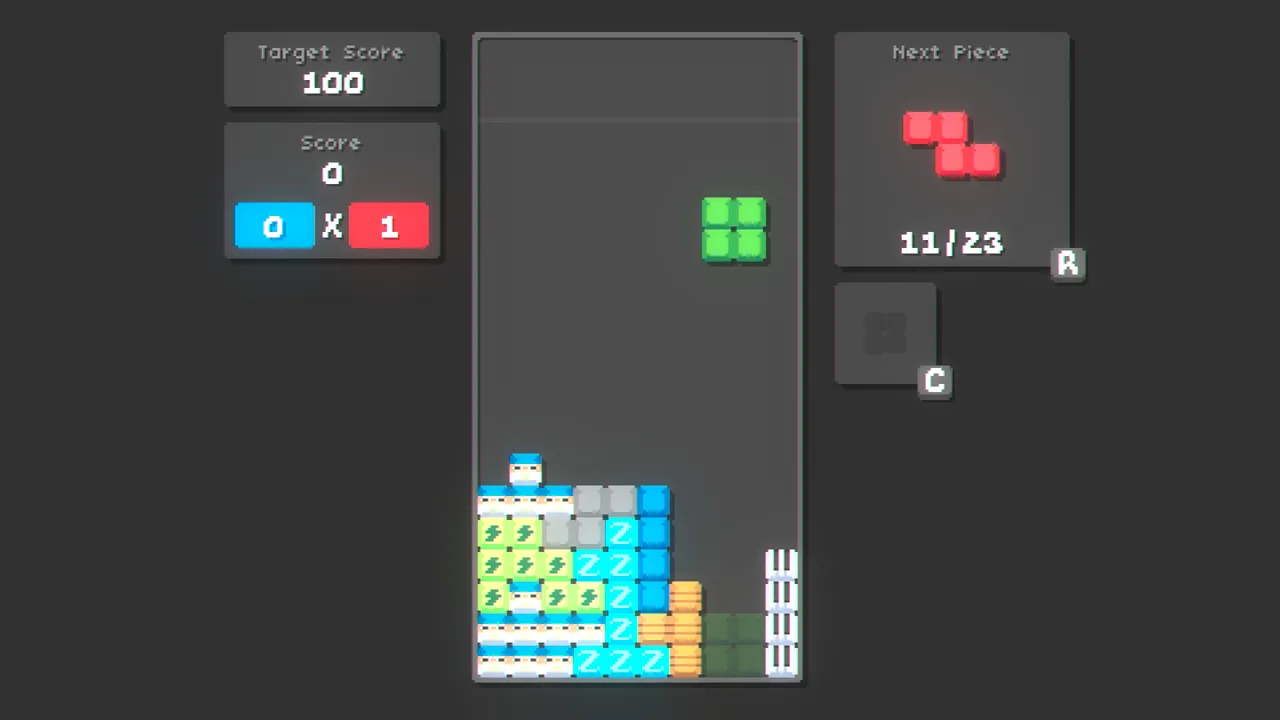
Stackflow releases on PC on July 13, 2026, and its core appeal is brutally simple: arrange geometric shapes to hit target scores, unlock pieces that fundamentally alter how the puzzle works, and chase the sensation of a perfect cascade. This is the roguelike loop applied to pure block placement, where each run strips away your power-ups and forces you to build fresh synergies from whatever blocks the game grants you.
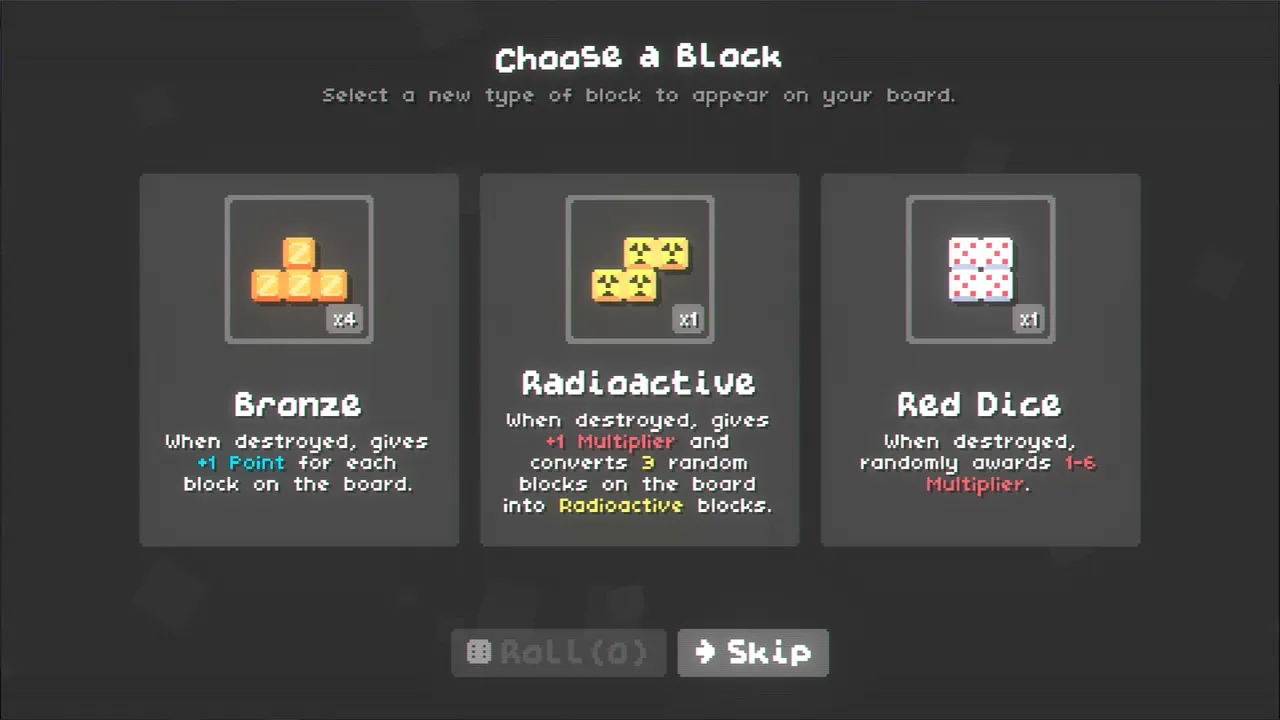
The central tension sits in the gap between what you draw and what you can do with it. Standard pieces form the base, but special blocks—an indestructible obsidian that grants permanent multipliers, stone that explodes into raw points, and others—arrive mid-run and reframe your entire strategy. A block that seemed useless becomes essential once you understand its interaction with your current board state. Every choice about where to place a piece and which advantage to activate next ripples across future turns. This is why roguelike deckbuilding has proven so durable: the randomness forces constant small decisions, and small decisions compound into moments where a single placement triggers a chain you did not foresee. Whether Stackflow sustains that tension across a full run without feeling like the outcome hinges more on what blocks luck grants you than on your actual choices is the central question it must answer.
Escalating targets and the tempo of a single round
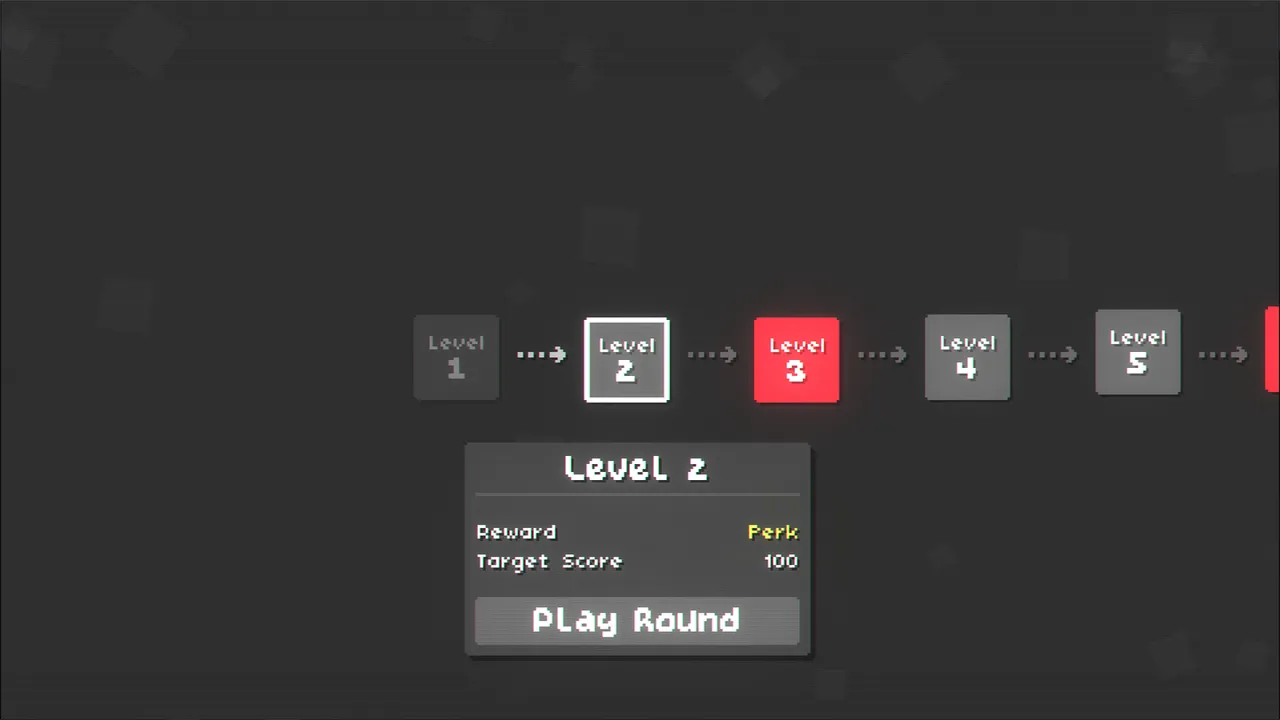
The release date structure around escalating level targets suggests the difficulty curve is not simply more pieces and more chaos, but raising the score threshold you must hit to progress. This is a crucial difference: instead of asking you to survive longer, the game asks you to be more efficient, to squeeze more value from fewer moves. That pressure toward optimization could make every placement feel weighty, or it could hollow the experience if a few lucky blocks trivialise the maths. The special blocks and advantages are the safety valves here—they can either warp your approach and create new paths to victory, or they can become mandatory to reach targets, collapsing strategy into hunt-the-broken-piece.
The audience for Stackflow is players who found Threes or Peglin's core loop—arranging, matching, chasing cascades—meditative enough to return to repeatedly, and who want the added texture of roguelike progression and unlockable pieces. It is not for anyone after twitch reflexes or narrative, and it is not for players who need every run to feel genuinely distinct; the core loop is the game, and procedural block generation around fixed pieces is a difference in degree, not a genre-redefining one. Fans of strategic puzzle roguelikes like Peglin or Balatro may find kinship here, though Stackflow's lack of announced depth systems—no talent trees, no unlock chains, no persistent meta-progression—suggests a cleaner, shorter experience, something you can finish in a session or two and then revisit when the mood strikes.
Add Stackflow to your wishlist if the thought of chasing perfect block placements and combo chains appeals to you, and buy it at launch if you have ever lost hours to a puzzle game you swore you would just try for five minutes. If you need proof of depth or want to see whether the escalating targets stay challenging past the first week, wait for the early-player consensus to settle first.
Themes
Features
System requirements
Minimum
- OS *
- Windows 7 64-Bit
- Processor
- 2 GHz
- Memory
- 4 GB RAM
- Graphics
- Support for OpenGL 3
- Storage
- 200 MB available space
Recommended
- OS
- Windows 10 64-Bit
- Processor
- 3 GHz dual-core or better
- Memory
- 8 GB RAM
- Graphics
- Dedicated GPU with OpenGL 3.3+ support
- Storage
- 500 MB available space
Frequently asked questions
When did Stackflow come out?
Stackflow released on July 13, 2026 for PC.
Is Stackflow out yet?
Yes. Stackflow is available now, having released on July 13, 2026.
What platforms is Stackflow on?
Stackflow is available on PC.






No comments yet. Be the first to share your thoughts.