
The Living Atlas: A Fantasy Chronicler
The Living Atlas: A Fantasy Chronicler is out now on PC, released on July 20, 2026.
About The Living Atlas: A Fantasy Chronicler
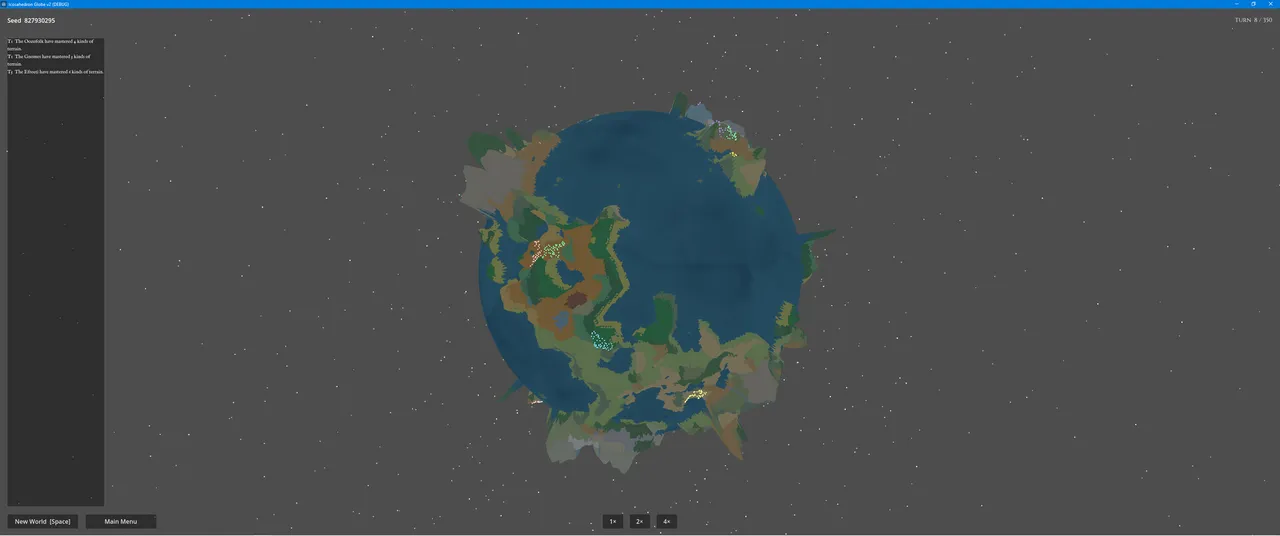
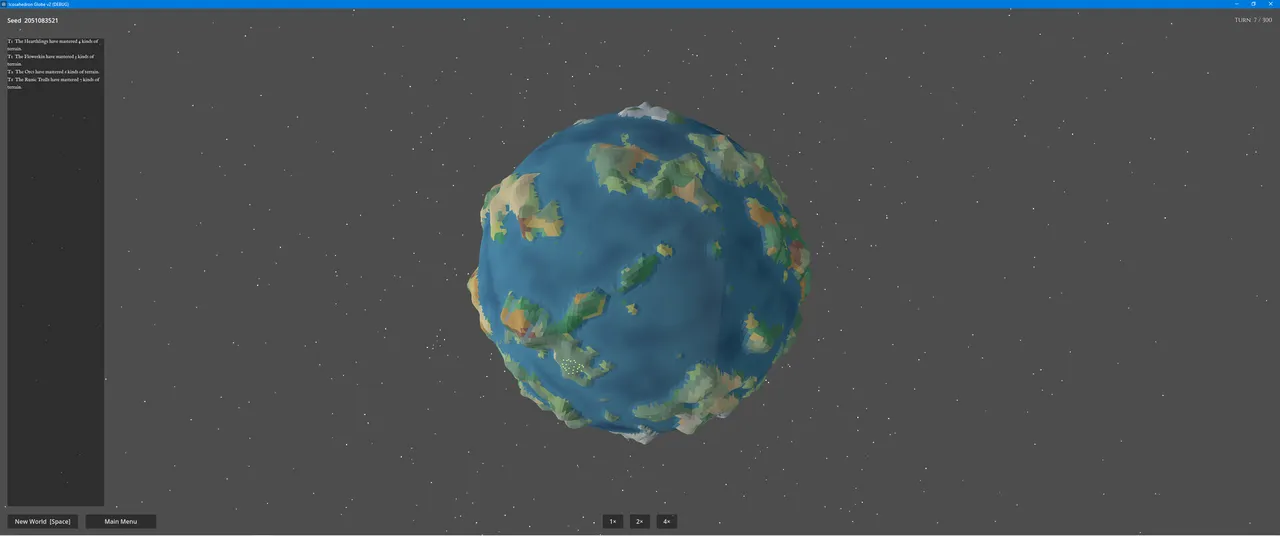
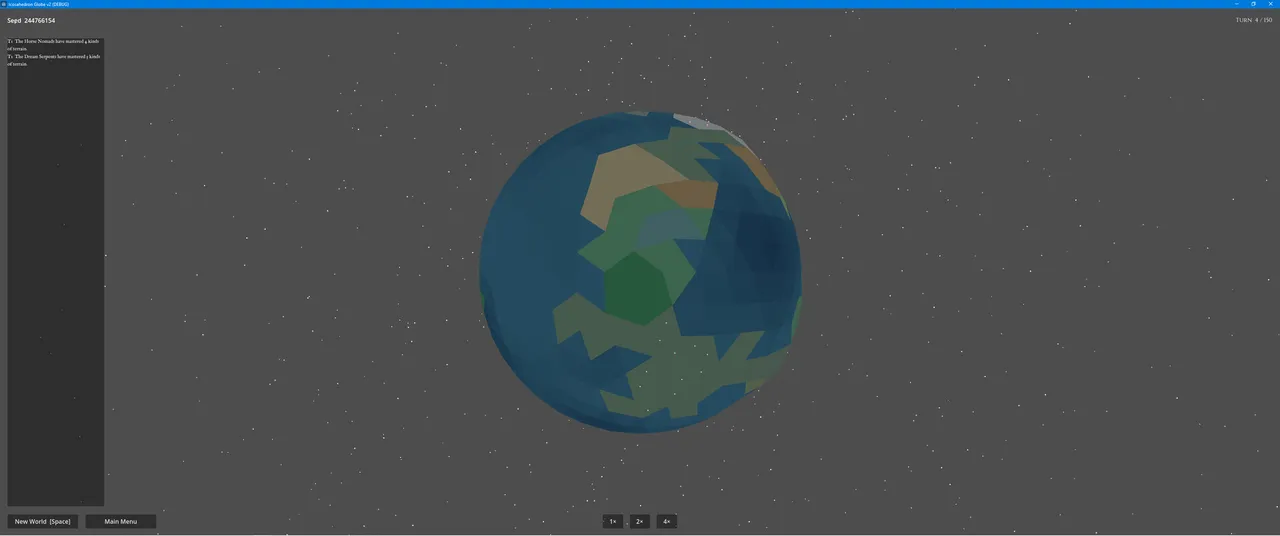
The Living Atlas: A Fantasy Chronicler shifts the focus of the simulation genre from management to observation, treating the birth of a planet as a spectator sport. Developed by A.R.B. Andrews, this project is less a game in the traditional sense and more a digital terrarium where tectonic plates and river systems dictate the fate of civilizations. The release date for The Living Atlas: A Fantasy Chronicler was July 20, 2026, when it arrived on PC.
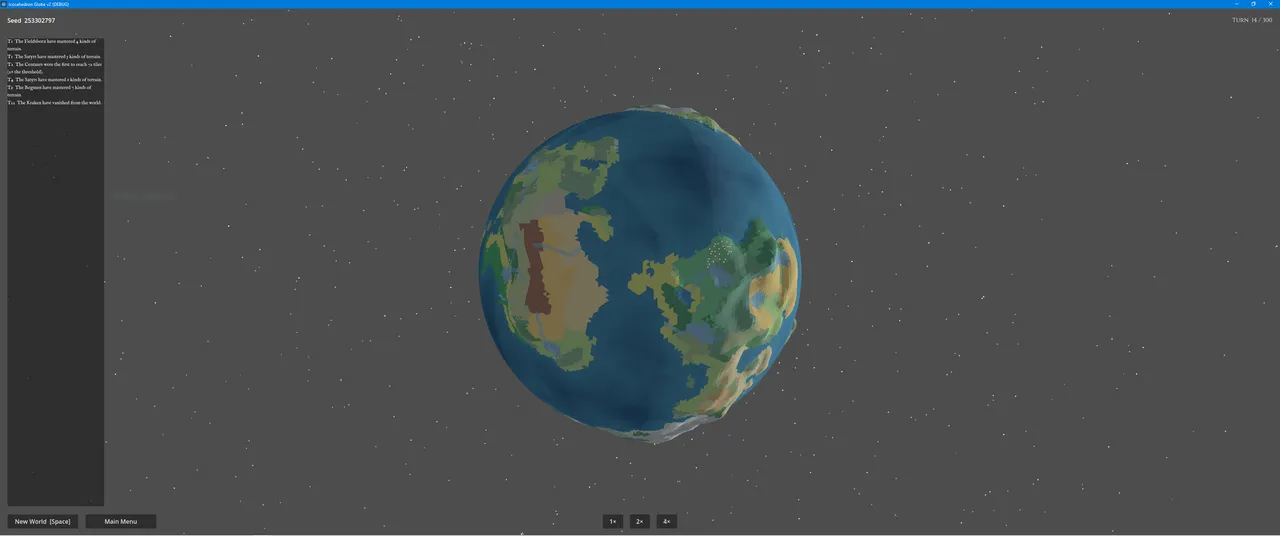
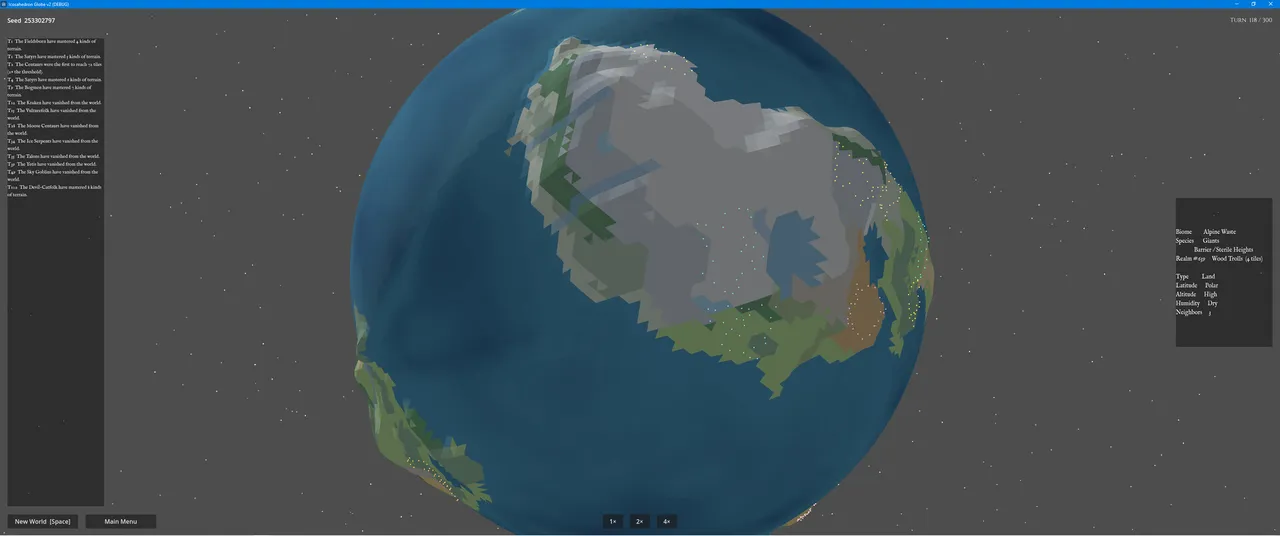
The experience is built on a single-seed procedural generation system that calculates geography before history. It uses a three-axis classification—latitude, altitude, and humidity—to carve out 27 distinct biomes. This isn't just cosmetic; the terrain directly influences the 100-plus fantasy species that inhabit it. You might watch Mammothkin settle the tundra or Efreeti establish themselves in volcanic wastes, with their success tied to how well they match their ecological archetypes. The core loop is entirely hands-off: you generate a world and then monitor the historical event log as realms expand, fight, or fade into obscurity.
The Living Atlas: A Fantasy Chronicler July 2026 Release Date
By removing traditional failure states and objectives, the software leans into the "fantasy chronicler" subtitle. The simulation uses a state machine to govern peace, war, and recovery, allowing hundreds of small realms to interact across the globe. Larger civilizations thrive by mastering diverse terrain, while those unable to adapt are eventually absorbed by more successful neighbors. It is a slow-burn experience designed for players who find more satisfaction in watching a timeline unfold than in clicking buttons to build cities.
The primary risk for a simulation this automated is whether the emergent history feels truly distinct between seeds or if the rise and fall of nations begins to feel repetitive after the first few planets. Without player intervention, the variety of the 100-plus species and their specific cultural milestones will have to carry the narrative weight. For those who enjoy the macro-scale world-building of Dwarf Fortress but prefer a purely observational, cinematic perspective, the 2026 release date is one to mark on the calendar.
Features
System requirements
Minimum
- OS
- Windows 10 64-bit (version 1903 or newer)
- Processor
- Intel Core i5 or AMD equivalent (quad core, 2.5 GHz)
- Memory
- 4 GB RAM
- Graphics
- Vulkan 1.0 compatible GPU (NVIDIA GTX 900 series / AMD RX 400 series / Intel UHD 620 or newer)
- Storage
- 200 MB available space
Recommended
- OS
- Windows 10/11 64-bit
- Processor
- Intel Core i7 or AMD Ryzen 5 or better
- Memory
- 8 GB RAM
- Graphics
- NVIDIA GTX 1060 / AMD RX 580 or better, 2GB VRAM
- Storage
- 200 MB available space
- Additional Notes
- Detail Level (subdivisions) significantly affects generation time and simulation performance. The default setting of 6 is recommended for most systems. Settings of 8 or 9 may require several minutes to generate a world and are intended for higher-end hardware. Setting 3 generates instantly and is suitable for low-end systems or quick exploration.
Frequently asked questions
When did The Living Atlas: A Fantasy Chronicler come out?
The Living Atlas: A Fantasy Chronicler released on July 20, 2026 for PC.
Is The Living Atlas: A Fantasy Chronicler out yet?
Yes. The Living Atlas: A Fantasy Chronicler is available now, having released on July 20, 2026.
What platforms is The Living Atlas: A Fantasy Chronicler on?
The Living Atlas: A Fantasy Chronicler is available on PC.






No comments yet. Be the first to share your thoughts.