


VRChat
About VRChat
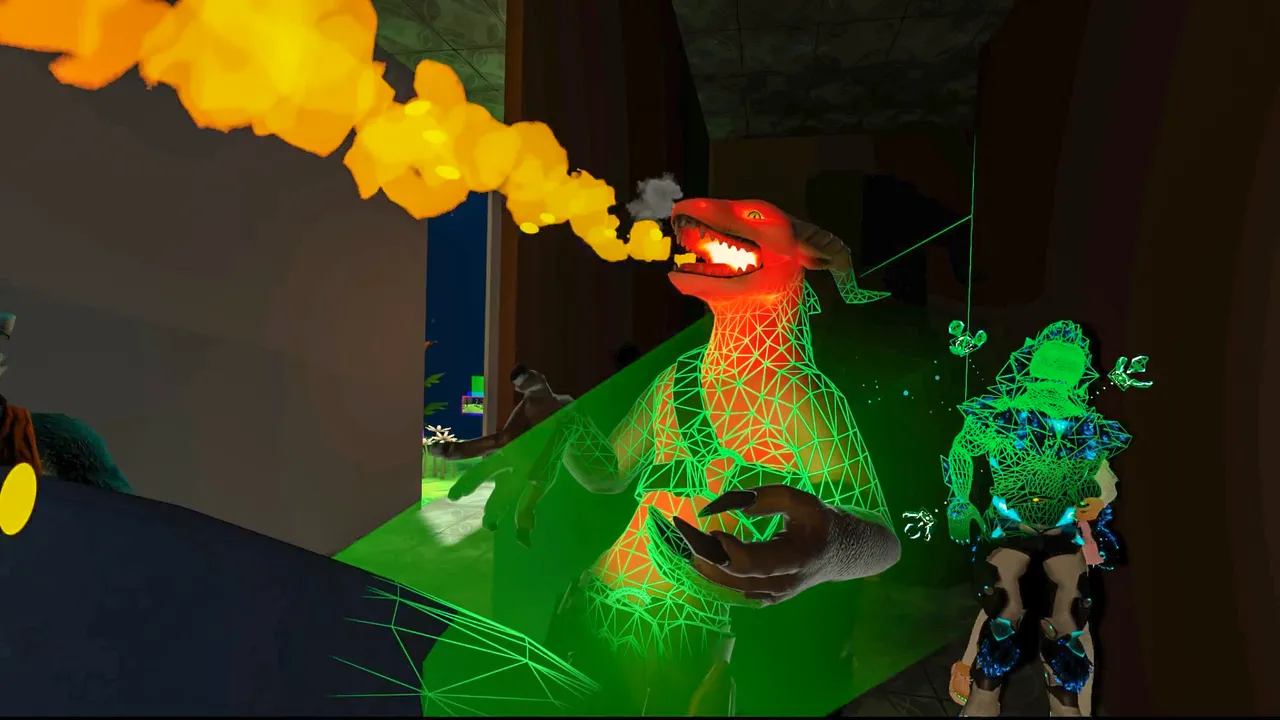
The VRChat release date of February 1, 2017, marked a pivotal shift in the virtual reality landscape, transforming it from a solo gaming periphery into a sprawling, user-generated social hub. Rather than a traditional game with a set win condition, VRChat functions as a massive creative framework on PC where the content is almost entirely dictated by its community using the Unity engine and a bespoke scripting language. This reliance on the player base for world-building and avatar design is its defining strength, ensuring the platform evolves faster than any single developer could manage.
Community-Driven Simulation and Social Systems
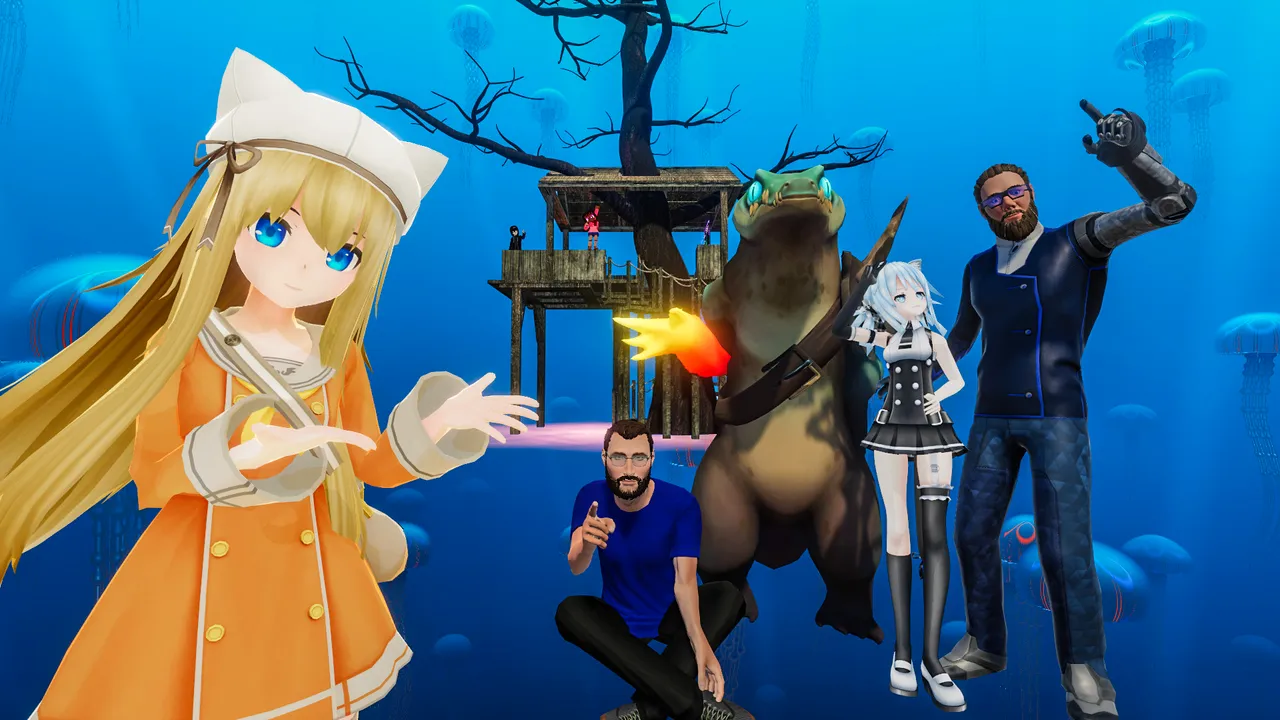
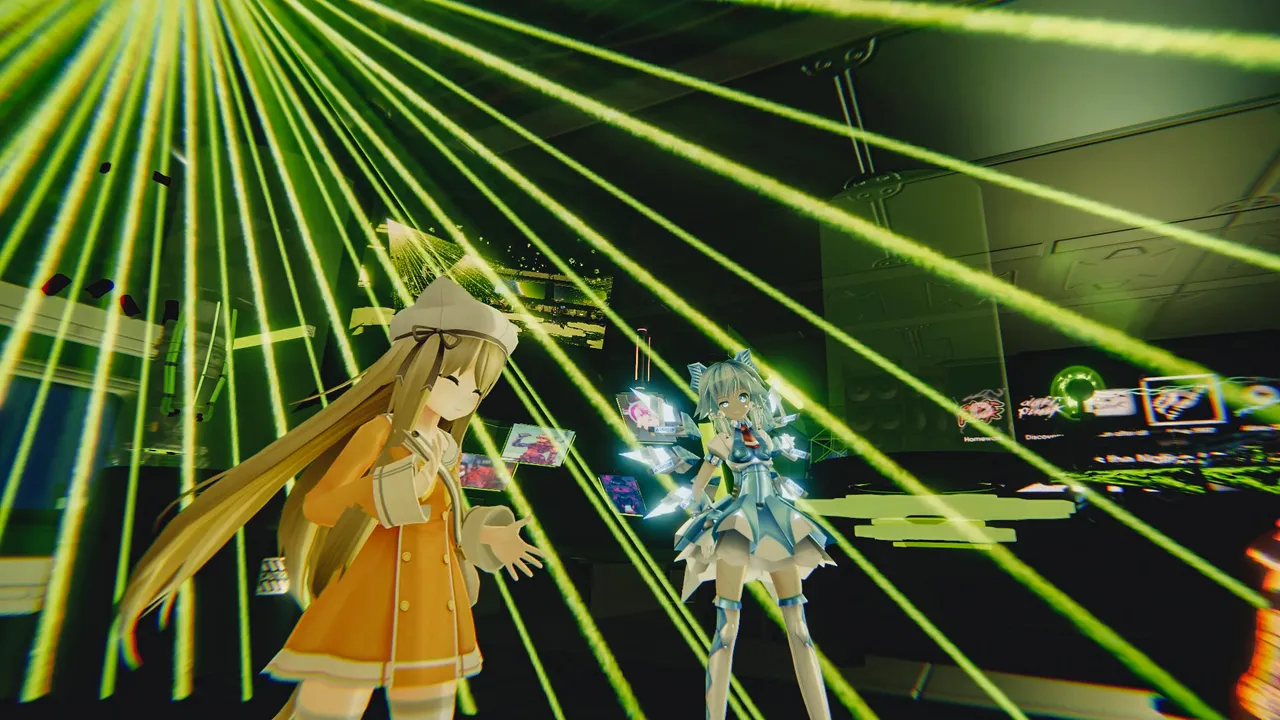
The core loop of VRChat centers on identity and interaction. By decoupling avatars from rigid presets, it allows for extreme expression, ranging from realistic humanoids to abstract, audio-reactive entities. This level of customization is not merely cosmetic; it dictates how players move and interact, especially when utilizing full-body or finger-tracking hardware. The social architecture is reinforced by a robust group system, allowing niche communities—from car enthusiasts and DJs to competitive battle royale players—to form persistent subcultures within the broader simulation.
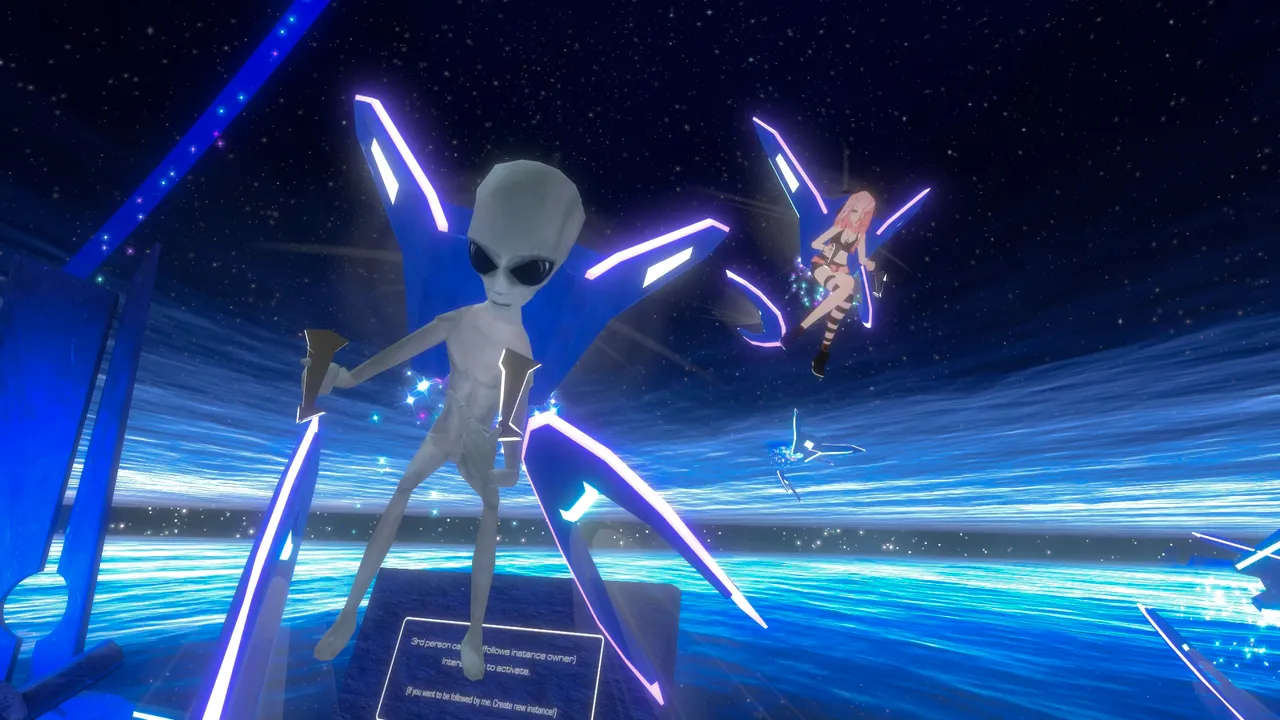
Because VRChat has been available since early 2017, the library of activities is staggering. It spans high-intensity jet dogfighting and restaurant management sims to quiet, atmospheric environments designed for conversation. The design risk here is the lack of a curated path; new users must navigate a chaotic sea of user-made instances to find quality experiences. However, for those seeking a true digital frontier that prioritizes social presence over scripted objectives, it remains the primary destination for the medium. If you own a VR headset and want more than just a 10-hour campaign, this is the essential starting point.
Themes
Features
System requirements
Minimum
- OS
- Windows 10/11
- Processor
- Intel® i5-4590 / AMD FX 8350 equivalent or greater
- Memory
- 4 GB RAM
- Graphics
- NVIDIA GeForce® GTX 970 / AMD Radeon™ R9 290 equivalent or greater
- DirectX
- Version 11
- Network
- Broadband Internet connection
- Storage
- 1 GB available space
- VR Support
- SteamVR





No comments yet. Be the first to share your thoughts.